


Hey there! As a supplier of adjustable rolling pins, I've seen firsthand how the material of these handy tools can make a huge difference when it comes to working with dough. In this blog, I'm gonna dive into the impact of different adjustable rolling pin materials on dough, and why it matters for your baking or cooking adventures.
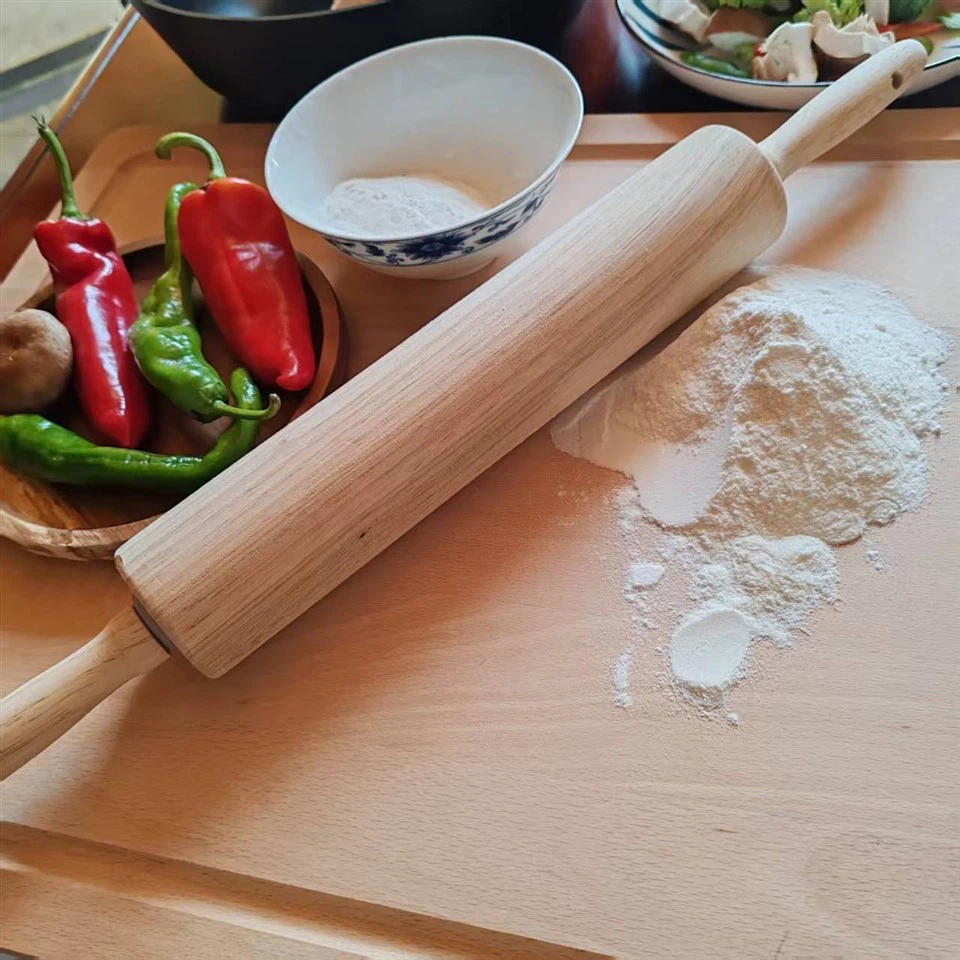
Let's start with wood. Wood is a classic material for rolling pins, and it has a lot going for it. One of the main advantages is its natural texture. Wood has a slightly porous surface that can grip the dough just right, preventing it from sticking. This is especially great when you're working with sticky doughs like pie crusts or cinnamon rolls.
For example, our Beech Wood Rolling Pin is made from high - quality beech wood. Beech wood is known for its durability and smooth finish. It's also relatively lightweight, which makes it easy to handle for long periods of time. When you use a beech wood rolling pin on your dough, you'll notice that it rolls out evenly. The wood doesn't transfer too much heat to the dough, which is crucial because if the dough gets too warm, it can become too soft and difficult to work with.
Another type of wood we offer is rubber wood. Our Rubber Wood Rolling Pin has its own unique properties. Rubber wood is a sustainable option, and it has a nice, even grain. It's a bit heavier than beech wood, which can give you more control when rolling out the dough. The extra weight helps to apply even pressure across the dough, resulting in a more consistent thickness. Whether you're making pasta or cookies, the rubber wood rolling pin can get the job done well.

Now, let's talk about plastic. Plastic rolling pins are popular because they're affordable and easy to clean. They're also lightweight, which is great for beginners or people with limited hand strength. However, plastic has some drawbacks when it comes to dough. Plastic has a very smooth surface, which means the dough might not grip as well as it does with a wooden rolling pin. This can lead to the dough slipping around as you roll, making it harder to get an even thickness.
On the plus side, plastic doesn't absorb moisture from the dough. This can be an advantage when you're working with wet doughs, as the rolling pin won't become sticky or develop a foul smell over time. Some plastic rolling pins are also designed with non - stick coatings, which can make the dough release easily. But overall, if you're looking for that traditional "grip" when working with dough, plastic might not be your first choice.
Next up is stainless steel. Stainless steel rolling pins are known for their durability and smooth finish. They're also very easy to clean and sanitize, which is a big plus in a kitchen environment. Stainless steel doesn't warp or absorb odors, so it can be a great long - term investment.
When it comes to dough, stainless steel transfers heat quickly. This can be either a good or bad thing depending on the situation. If you're working with cold dough, like a butter - rich Danish pastry dough, the heat transfer from your hands through the stainless steel rolling pin can start to melt the butter too quickly. On the other hand, if you're using a warm dough that needs to be spread out, the stainless steel can help to distribute the heat evenly across the dough, making it easier to work with.
Silicone is another material that's becoming more popular for rolling pins. Silicone rolling pins are soft and flexible, which can be very helpful when you're working with delicate doughs. They're also non - stick by nature, so you don't have to use as much flour to prevent the dough from sticking. Our T - Shape Pastry Rolling Pin in silicone is a great example. The T - shape design gives you extra leverage and control, and the silicone material ensures that the dough releases smoothly.
However, silicone can be a bit too soft for some applications. If you're trying to roll out a very thick or tough dough, you might find that the silicone rolling pin compresses too easily, making it difficult to apply enough pressure to get the dough thin and even.
Now, let's consider the impact of the material on the taste of the dough. Wood, as a natural material, doesn't add any unwanted flavors to the dough. It's a pure and simple option for traditional baking. Plastic, stainless steel, and silicone are all inert materials, which means they also don't affect the taste of the dough. But if you're someone who's really into the authenticity of the baking process, you might prefer the feel and character that a wooden rolling pin brings.
In terms of maintenance, different materials have different requirements. Wood rolling pins need to be oiled periodically to keep them from drying out and cracking. This is a simple process, but it does require a bit of upkeep. Plastic, stainless steel, and silicone rolling pins are generally much easier to care for. You can just wash them with soap and water, and they'll be ready to use again.
So, which material is the best for your dough? Well, it really depends on your personal preferences and the type of dough you're working with. If you're a beginner and you want something easy to clean and affordable, a plastic or silicone rolling pin might be a good starting point. If you're a serious baker who wants that traditional feel and good grip, a wooden rolling pin is a great choice. And if you're looking for durability and easy maintenance, stainless steel could be the way to go.
We at our adjustable rolling pin supply company are dedicated to providing you with high - quality rolling pins in a variety of materials. Whether you're a home baker or a professional chef, we've got the right rolling pin for you. If you're interested in purchasing our adjustable rolling pins, we'd love to have a chat with you about your specific needs. We can help you select the right material and design for your dough - rolling tasks.
If you have any questions or want to start a purchase negotiation, feel free to reach out! We're here to make sure you get the best adjustable rolling pin for your kitchen.
References:
- "The Science of Baking" by Peter Reinhart
- "Professional Baking" by Wayne Gisslen
- Various industry - specific research on cooking utensils and dough handling