


Hey there, fellow kitchen enthusiasts! Today, I'm super stoked to dive into a topic that's near and dear to my heart: the difference between wooden and metal kitchen utensils. As a wooden kitchen utensil supplier, I've seen firsthand how each type brings its own unique flavor to the kitchen. So, let's roll up our sleeves and get cooking with this comparison!
Feel and Comfort
First off, let's talk about how these utensils feel in your hand. When you pick up a wooden spoon, it's like getting a warm hug from the kitchen. The natural texture of wood is smooth and comfortable, and it molds to your grip over time. It doesn't get too hot or cold, so you can stir, scoop, and flip without any discomfort. I mean, who wants to burn their hand while making a delicious stir - fry?
On the other hand, metal utensils can be a bit of a mixed bag. They're often sleek and shiny, but they can also be quite cold to the touch, especially if you take them out of a drawer in a cool kitchen. And when they're in contact with hot pans, they can heat up quickly, forcing you to grab a cloth or risk getting burned.
Scratch Resistance
Now, let's think about your cookware. If you've invested in some nice non - stick pans, you know how important it is to keep them scratch - free. Wooden utensils are your best friends in this department. They're soft enough not to scratch the delicate non - stick coating, so you can use them with confidence. You can scrape the bottom of your pan to get every last bit of that yummy sauce without worrying about ruining your cookware.
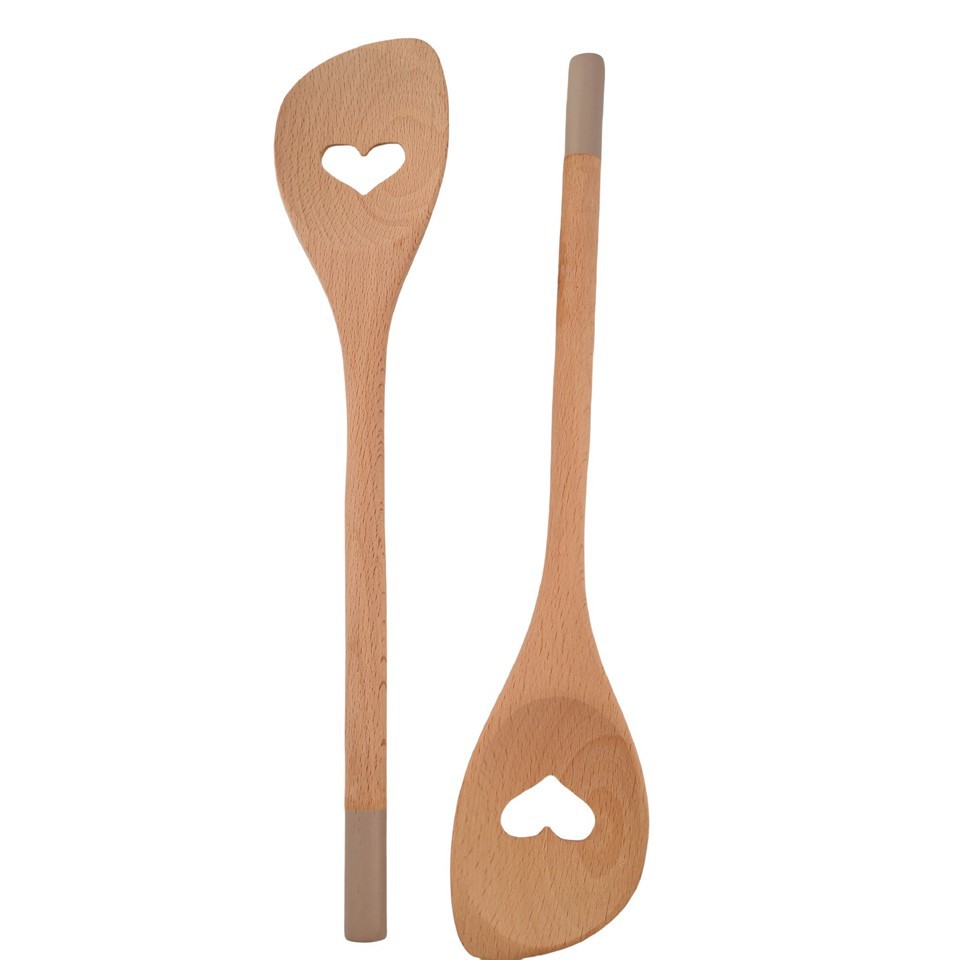

Metal utensils, however, can be a nightmare for non - stick pans. Their hard edges can easily scratch the surface, reducing the lifespan of your pans and making them less effective. Even if you're using a stainless - steel pan, over time, metal utensils can cause small scratches that can trap food particles and make cleaning a hassle.
Taste and Odor
This is a factor that not everyone considers, but it's actually pretty important. Wooden utensils have a natural, neutral taste. They don't transfer any strange flavors or odors to your food. When you're making a delicate dessert or a savory soup, you want the flavors of the ingredients to shine through, not the taste of the utensil.
Metal utensils, on the other hand, can sometimes react with acidic foods. For example, if you're making tomato sauce with a metal spoon, the acid in the tomatoes can cause a metallic taste to seep into the sauce. It's not a huge deal, but it can definitely affect the overall flavor of your dish.
Durability
When it comes to durability, both wooden and metal utensils have their pros and cons. Metal utensils are generally very strong and can withstand a lot of wear and tear. They're less likely to break or crack, even if you accidentally drop them. However, they can rust over time, especially if they're not made of high - quality stainless steel or if they're exposed to moisture for long periods.
Wooden utensils are also quite durable if they're properly cared for. They can last for years, and with regular oiling, they can maintain their strength and beauty. But they are more prone to cracking or splitting if they're left in water for too long or if they're exposed to extreme heat or cold.
Aesthetics
Let's face it, the look of your kitchen utensils matters. Wooden utensils add a warm, rustic charm to your kitchen. They bring a touch of nature indoors and can make your kitchen feel more inviting. Whether you're going for a farmhouse - style kitchen or just want to add a bit of character, wooden utensils are a great choice.
Metal utensils, on the other hand, give a modern, sleek look. They're perfect for a contemporary kitchen with a minimalist design. They can also be very eye - catching, especially if they have a polished finish.
Our Wooden Kitchen Utensils
As a wooden kitchen utensil supplier, I'm proud to offer a wide range of high - quality products. For instance, our 12 Inch Wooden Spoon is a must - have for any kitchen. It's the perfect size for stirring large pots of soup or making a big batch of pancakes.
We also have Acacia Wood Kitchen Utensil sets. Acacia wood is known for its strength and beautiful grain patterns. These utensils are not only functional but also look great on display.
And if you're a fan of beech wood, our Beech Wood Kitchen Utensil collection is for you. Beech wood is smooth and lightweight, making it easy to handle.
Conclusion
So, there you have it! The main differences between wooden and metal kitchen utensils. Each type has its own advantages and disadvantages, and the choice ultimately depends on your personal preferences and needs. If you're looking for a utensil that's gentle on your cookware, adds a natural touch to your kitchen, and won't affect the taste of your food, then wooden utensils are the way to go.
If you're interested in purchasing our wooden kitchen utensils or have any questions, feel free to reach out. We're always happy to help you find the perfect utensils for your kitchen. Let's start a conversation and make your kitchen even more amazing!
References
- "The Complete Guide to Kitchen Utensils" by Kitchenware Experts
- "Cooking with Different Utensils: Pros and Cons" - Food and Cooking Magazine