


How to Dispose of Old Bamboo Kitchen Utensils?
As a supplier of bamboo kitchen utensils, I've witnessed the journey of these eco - friendly products from our workshop to countless kitchens. Bamboo kitchen utensils are not only stylish and functional but also sustainable. However, like all things, they have a lifespan. So, today, I'd like to share some effective ways to dispose of old bamboo kitchen utensils.
1. Assess the Condition of the Utensils
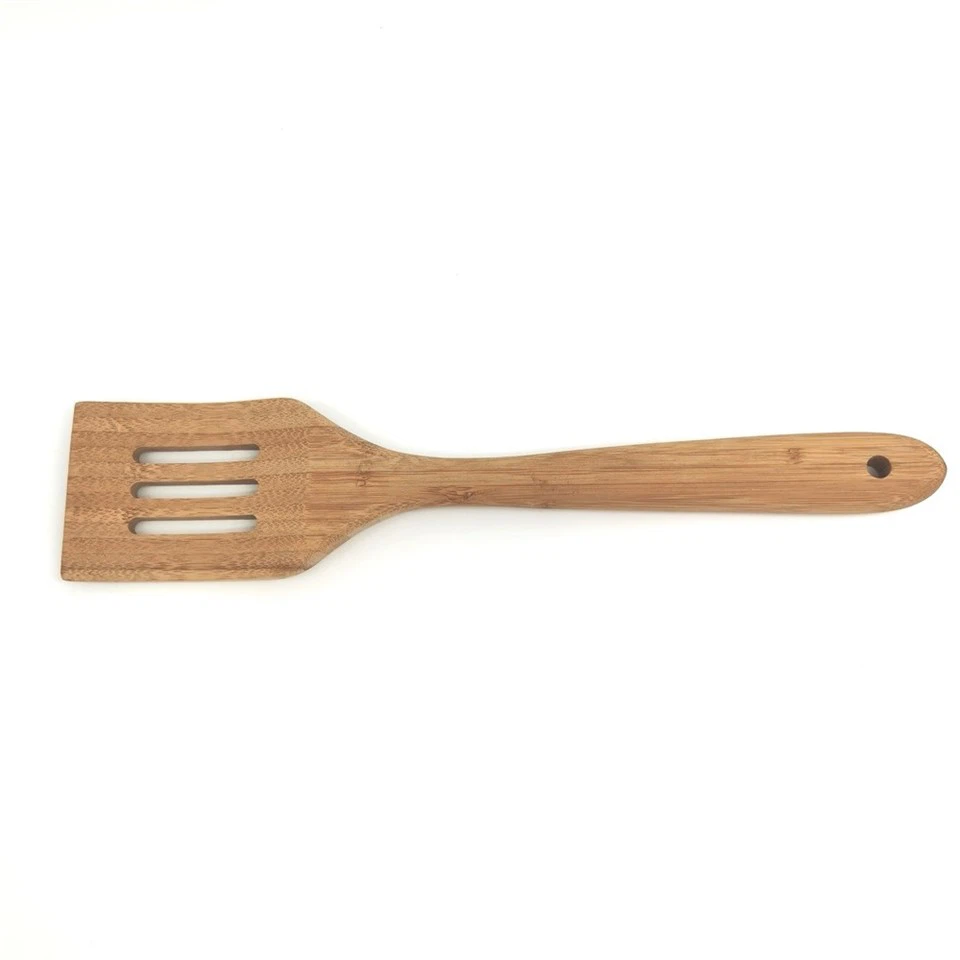
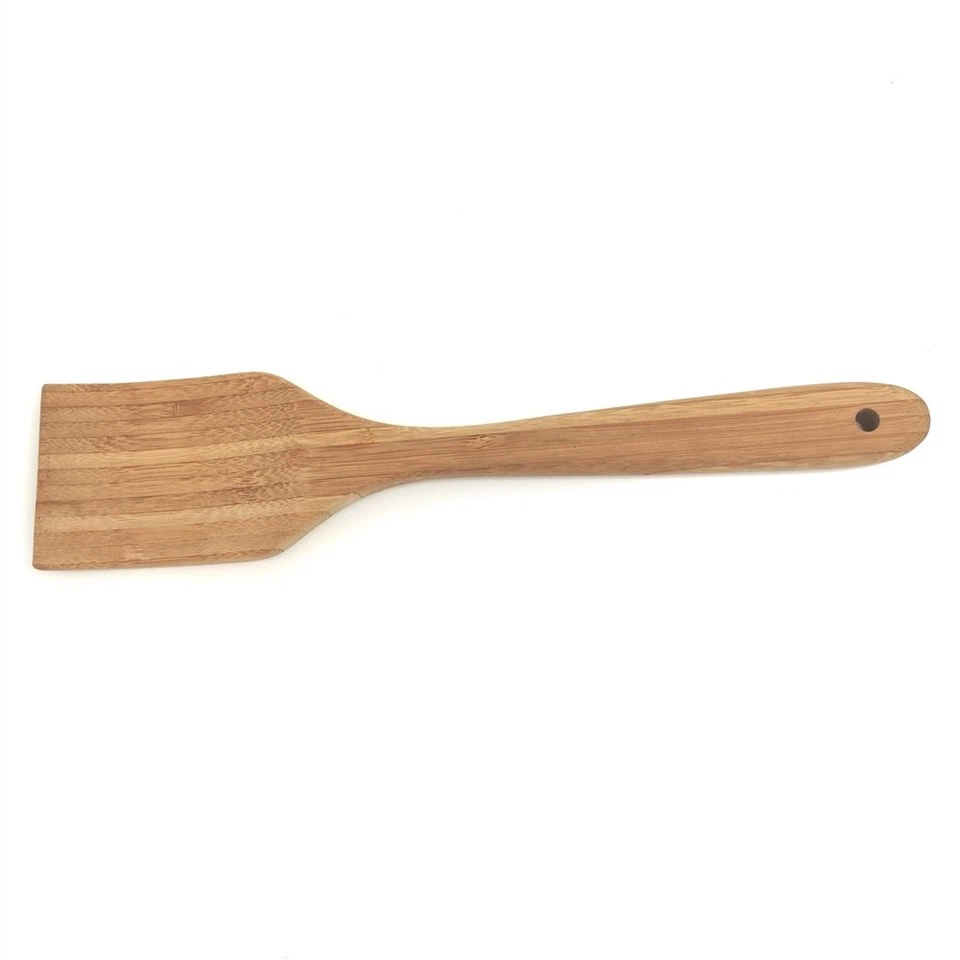
Before deciding on the disposal method, it's crucial to evaluate the state of your bamboo kitchen utensils. If they are in relatively good condition, with only minor scratches or wear, they can still serve a purpose. For instance, a bamboo spatula with a slightly worn tip can be used for tasks that don't require a perfect edge, like scraping the sides of a mixing bowl or stirring compost in a garden.
On the other hand, if the utensils are severely damaged, such as having cracks, splinters, or a significant amount of mold, they may need to be disposed of more carefully. Mold can be a health hazard, and cracked utensils may break further during use, posing a risk of injury.
2. Reuse and Repurpose
One of the most sustainable ways to deal with old bamboo kitchen utensils is to reuse or repurpose them. Here are some creative ideas:
Craft Projects: Bamboo chopsticks can be transformed into small picture frames. Simply cut the chopsticks to the desired length, sand the edges, and glue them together to form a frame. You can then decorate it with paint, stickers, or ribbons. Bamboo spoons can be used as palettes for painting or as small scoops for craft materials like beads or sequins.
Garden Use: Old bamboo spatulas or tongs can be great additions to your garden. They can be used to gently transplant seedlings, stir soil amendments, or even mark rows in the garden. Bamboo skewers can be used as plant stakes for small plants or to support climbing vines.
Home Decor: Bamboo utensils can add a rustic touch to your home decor. You can hang a collection of bamboo spoons on a wall as a unique piece of art. Or, use a bamboo ladle as a holder for kitchen utensils like spoons and forks.
If you're interested in exploring more bamboo kitchen utensils for your daily use, check out our Organic Bamboo Cooking Utensils.
3. Composting
Bamboo is a natural and biodegradable material, which makes it an excellent candidate for composting. Composting is a process of decomposing organic materials into nutrient - rich soil. To compost your old bamboo kitchen utensils, follow these steps:
Prepare the Utensils: Break the utensils into smaller pieces. This will increase the surface area, allowing the decomposition process to happen more quickly. You can use a saw or a pair of strong scissors to cut the bamboo into small fragments.
Choose a Composting Method: There are two main types of composting: hot composting and cold composting. Hot composting involves creating a large pile of organic materials and maintaining a high temperature (around 130 - 160°F) to speed up the decomposition process. Cold composting is a slower process that requires less maintenance. You can simply add the bamboo pieces to your existing compost pile or bin.
Balance the Compost: For successful composting, you need to maintain a balance between carbon - rich materials (such as bamboo, dry leaves, and straw) and nitrogen - rich materials (such as food scraps, grass clippings, and manure). Aim for a carbon - to - nitrogen ratio of about 30:1.
Turn and Monitor the Compost: Regularly turn the compost pile to aerate it and speed up the decomposition process. Monitor the moisture level of the compost; it should be moist but not soggy. In a few months to a year, depending on the composting method, your bamboo utensils will break down into nutrient - rich compost that can be used to fertilize your plants.
4. Recycling
Although bamboo is a natural material, recycling bamboo kitchen utensils can be a bit more challenging than other materials. However, some specialized recycling facilities may accept bamboo products.
Research Local Recycling Options: Contact your local recycling center or waste management facility to see if they accept bamboo. Some areas may have programs in place for recycling bamboo products. If not, you can search online for recycling companies that deal with bamboo materials.
Separate the Materials: If your bamboo kitchen utensils have any non - bamboo parts, such as metal handles or plastic attachments, you need to separate them before recycling. These non - bamboo materials may need to be recycled separately.
5. Donation
If your old bamboo kitchen utensils are still in good condition, consider donating them. There are many organizations that can make use of these items:
Local Charities and Shelters: Homeless shelters, community kitchens, and food banks may be in need of kitchen utensils. Contact your local charities to see if they accept donations of bamboo kitchen utensils.
Schools and Community Centers: Schools with cooking classes or community centers that host cooking workshops may appreciate the donation of bamboo utensils. They can be used for educational purposes or for community events.
6. Proper Disposal
If all else fails, and you have no other options for reusing, recycling, or composting your old bamboo kitchen utensils, you can dispose of them in the regular trash. However, this should be your last resort, as it is the least sustainable option.
When disposing of the utensils in the trash, make sure to wrap them properly to prevent any potential injuries from sharp edges or splinters. You can use a plastic bag or a piece of cardboard to cover the utensils.
In conclusion, as a bamboo kitchen utensil supplier, I believe in the importance of responsible consumption and disposal. By following these methods, you can ensure that your old bamboo kitchen utensils are disposed of in an environmentally friendly way. Whether it's through reusing, repurposing, composting, recycling, or donating, there are many ways to give these utensils a second life.
If you're interested in sourcing high - quality bamboo kitchen utensils for your business or personal use, we'd love to have a conversation with you. Feel free to reach out to us to discuss your procurement needs. We offer a wide range of bamboo kitchen utensils that are not only sustainable but also of the highest quality.
References
- "The Composting Handbook" by Linda Ciervo
- "Recycling Guide for Natural Materials" by Environmental Protection Agency
- "DIY Crafts with Bamboo" by Craft Magazine