


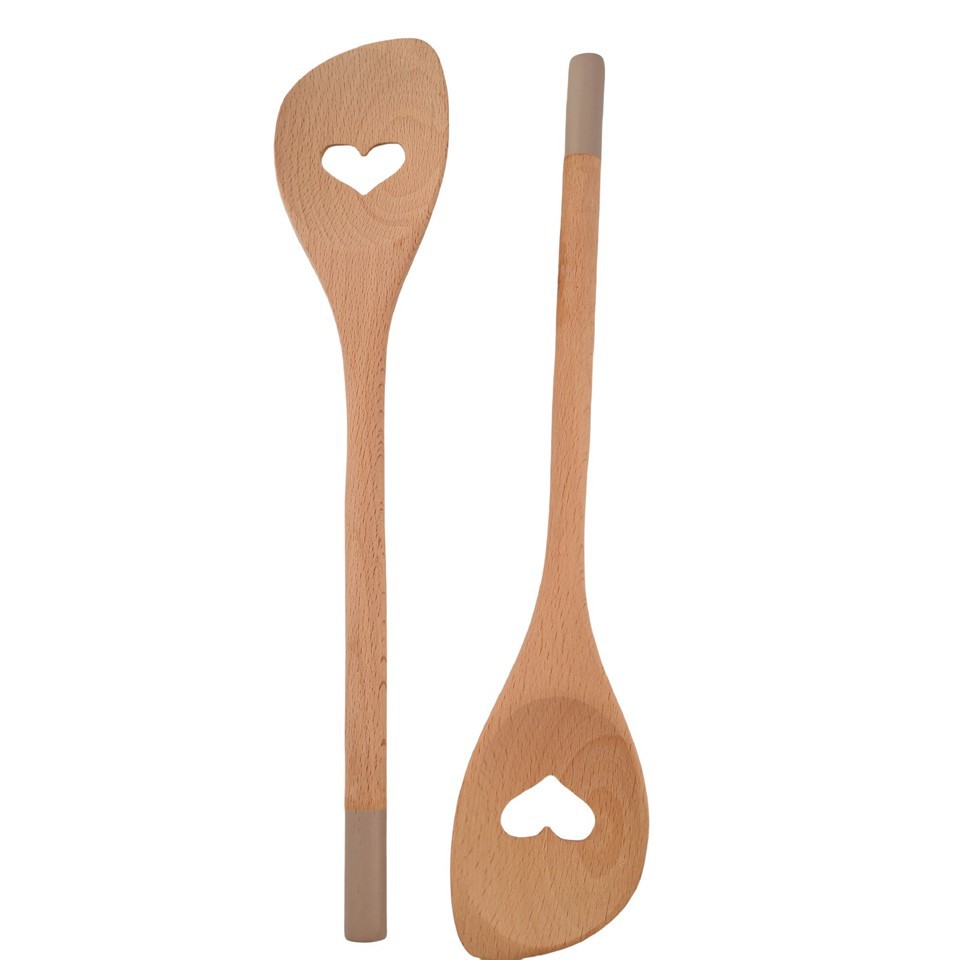
Hey there, fellow kitchen enthusiasts! As a wooden kitchen utensil supplier, I've seen firsthand how much love and care people pour into their kitchens. Wooden utensils, like our 12 Inch Wooden Spoon, Beech Wood Kitchen Utensil, and Acacia Wood Kitchen Utensil, are not only beautiful but also a practical choice for cooking. But here's the thing: keeping them clean and disinfected is super important to make sure they last long and stay safe to use. So, let's dive into how to disinfect wooden kitchen utensils the right way.
Why Disinfect Wooden Utensils?
First off, you might be wondering why we even need to disinfect wooden utensils. Well, wood is a porous material. That means it can absorb moisture, food particles, and even bacteria. If you don't clean and disinfect your wooden utensils properly, these bacteria can build up over time, which isn't great for your health. Plus, a dirty utensil can also start to smell bad and look less appealing. And let's be honest, we all want our kitchen to be a clean and inviting place.
Regular Cleaning
Before we get into the disinfection part, regular cleaning is the first step. Right after using your wooden utensils, rinse them under warm water. Use a mild dish soap and a soft sponge or cloth to gently scrub away any food residue. Avoid soaking wooden utensils in water for too long because that can cause the wood to warp, crack, or split. After you've scrubbed them clean, rinse them thoroughly to get rid of all the soap. Then, dry them immediately with a clean towel. Make sure they're completely dry before you put them away.
Disinfection Methods
Vinegar Solution
One of the easiest and most natural ways to disinfect wooden utensils is by using a vinegar solution. Vinegar is a great natural disinfectant because it has antibacterial properties. Here's how you do it:
- Mix equal parts of white vinegar and water in a spray bottle. For example, you can use half a cup of vinegar and half a cup of water.
- Spray the solution onto the wooden utensils, making sure to cover all the surfaces.
- Let the solution sit on the utensils for about 10 - 15 minutes. This gives the vinegar enough time to kill the bacteria.
- After that, rinse the utensils under warm water and dry them thoroughly.
Baking Soda Paste
Baking soda is another awesome natural cleaner and disinfectant. It can help remove stains and odors from your wooden utensils. To make a baking soda paste:

- Mix a few tablespoons of baking soda with a little bit of water to form a thick paste.
- Use a soft cloth or a toothbrush to apply the paste to the wooden utensils. Gently scrub the surface, paying extra attention to any stained or dirty areas.
- Let the paste sit on the utensils for about 5 - 10 minutes.
- Rinse the utensils under warm water and dry them completely.
Lemon Juice
Lemon juice is not only a natural disinfectant but also gives your wooden utensils a fresh, citrusy smell. Here's how to use it:
- Squeeze some fresh lemon juice into a bowl.
- Dip a clean cloth or sponge into the lemon juice and wipe the wooden utensils. Make sure to cover all the surfaces.
- Let the lemon juice sit on the utensils for about 10 - 15 minutes.
- Rinse the utensils under warm water and dry them well.
Hydrogen Peroxide
Hydrogen peroxide is a powerful disinfectant that can kill a wide range of bacteria and viruses. However, you need to be careful when using it on wooden utensils because it can bleach the wood if you're not careful. Here's how to use it safely:
- Dilute 3% hydrogen peroxide with an equal amount of water in a spray bottle.
- Spray the solution onto the wooden utensils and let it sit for about 5 minutes.
- Rinse the utensils under warm water and dry them immediately.
Deep Cleaning
Sometimes, your wooden utensils might need a deeper clean. If they've been used to handle raw meat, poultry, or fish, or if they have stubborn stains or odors, a deep clean is in order.
Salt Scrub
Salt is a great abrasive that can help remove tough stains and disinfect at the same time. Here's how to do a salt scrub:
- Sprinkle a generous amount of coarse salt onto a cutting board or a plate.
- Rub the wooden utensil on the salt, using a circular motion. The salt will act like a gentle scrubber to remove the stains and bacteria.
- After you've scrubbed the utensil, rinse it under warm water and dry it thoroughly.
Tea Tree Oil
Tea tree oil is a natural essential oil with strong antibacterial and antifungal properties. Here's how to use it for deep cleaning:
- Add a few drops of tea tree oil to a cup of warm water.
- Dip a clean cloth into the solution and wipe the wooden utensils.
- Let the solution sit on the utensils for about 15 - 20 minutes.
- Rinse the utensils under warm water and dry them completely.
Oiling Your Wooden Utensils
After you've disinfected your wooden utensils, it's a good idea to oil them. Oiling helps to keep the wood moisturized and prevents it from drying out and cracking. You can use food - grade mineral oil, beeswax, or a special wooden utensil oil. Here's how to do it:
- Pour a small amount of oil onto a clean cloth.
- Rub the oil onto the wooden utensils, making sure to cover all the surfaces.
- Let the oil soak into the wood for a few hours or overnight.
- Wipe off any excess oil with a clean cloth.
Storage
Proper storage is also important to keep your wooden utensils in good condition. Store them in a dry place, away from direct sunlight and heat. You can hang them on a utensil rack or keep them in a drawer. Just make sure they have enough space to dry and air out.
When to Replace Wooden Utensils
Even if you take good care of your wooden utensils, there will come a time when you need to replace them. If your wooden utensils have deep cracks, splinters, or a lot of stains that you can't get rid of, it's probably time to say goodbye. Using a damaged utensil can be a safety hazard because the splinters can break off and end up in your food.
Conclusion
Disinfecting wooden kitchen utensils is not as hard as it might seem. By following these simple steps, you can keep your wooden utensils clean, safe, and in great condition for a long time. Remember, regular cleaning, proper disinfection, and good storage are the keys to making your wooden utensils last. And if you're in the market for high - quality wooden kitchen utensils, we've got you covered with our 12 Inch Wooden Spoon, Beech Wood Kitchen Utensil, and Acacia Wood Kitchen Utensil. If you have any questions or want to discuss your procurement needs, feel free to reach out. We're always happy to help you find the perfect wooden utensils for your kitchen.
References
- "The Complete Guide to Wooden Kitchenware" by Kitchenware Experts
- "Natural Cleaning Solutions for the Kitchen" by Home Cleaning Magazine