


Hey there! As a bamboo cutting board supplier, I've seen firsthand how important it is to keep these kitchen essentials clean and hygienic. Bamboo cutting boards are awesome because they're eco - friendly, durable, and look great in any kitchen. But like any cutting board, they can get dirty and harbor bacteria over time. That's where bleach comes in as a powerful disinfectant. In this blog, I'll walk you through how to disinfect a bamboo cutting board with bleach.
Why Use Bleach to Disinfect?
Bleach is a super - effective disinfectant. It can kill a wide range of bacteria, viruses, and fungi that might be lurking on your cutting board after you've used it to chop up meat, vegetables, or fruits. It's readily available in most households and is relatively inexpensive. However, it's important to use it correctly to avoid damaging your bamboo cutting board.
What You'll Need
- Bleach: Make sure you have a regular household bleach. Avoid using scented or colored bleaches as they might contain additional chemicals that could harm the bamboo.
- Water: You'll need clean, cold water to dilute the bleach.
- A Clean Sponge or Cloth: This will be used to apply the bleach solution to the cutting board.
- A Bucket or Sink: To mix the bleach solution.
- A Rinse Container: For rinsing the cutting board after disinfection.
Step 1: Prepare the Bleach Solution
First things first, you need to make the right bleach solution. You don't want to use straight bleach on your bamboo cutting board because it can damage the bamboo fibers. A good ratio is 1 tablespoon of bleach per gallon of cold water. If you don't have a gallon - sized container, you can use 1 teaspoon of bleach per quart of water.
Pour the appropriate amount of water into your bucket or sink. Then, carefully add the bleach to the water. Stir the solution gently to make sure the bleach is evenly distributed. Remember, bleach can be harmful if it comes into contact with your skin or eyes, so wear gloves and avoid splashing.
Step 2: Clean the Cutting Board
Before you start disinfecting, give your bamboo cutting board a good cleaning. Remove any food debris by scrubbing it with warm, soapy water and a sponge or brush. Rinse it thoroughly under running water to get rid of all the soap and food particles. This step is crucial because if there's a lot of dirt on the board, the bleach might not be able to reach all the bacteria.
Step 3: Apply the Bleach Solution
Dip your clean sponge or cloth into the bleach solution. Wring it out a bit so it's not dripping wet. Then, gently wipe the entire surface of the bamboo cutting board with the sponge or cloth. Make sure you cover all areas, including the edges and any grooves. If your cutting board has a juice groove, like the Bamboo Cutting Board with Juice Groove, pay special attention to that area as it can collect a lot of moisture and bacteria.
Let the bleach solution sit on the cutting board for about 5 - 10 minutes. This gives the bleach enough time to kill the bacteria. But don't let it sit for too long, as prolonged exposure to bleach can damage the bamboo.
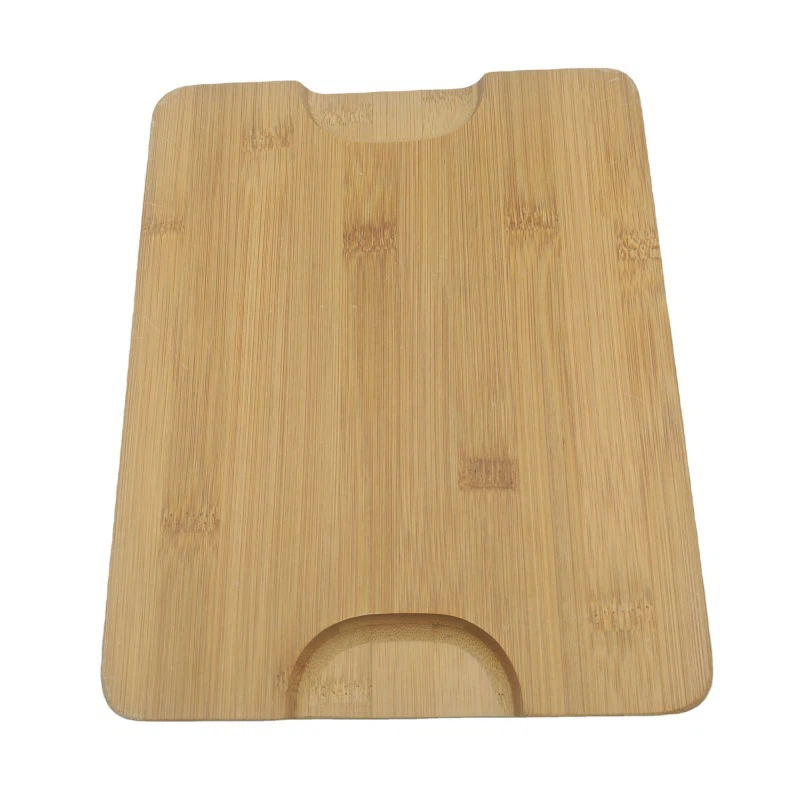

Step 4: Rinse the Cutting Board
After the waiting period, rinse the cutting board thoroughly under running water. You can also use a separate container filled with clean water to rinse it. Make sure you get rid of all the bleach solution. Any remaining bleach can be harmful if it comes into contact with food later on.
Step 5: Dry the Cutting Board
Once you've rinsed the cutting board, pat it dry with a clean towel. Then, let it air - dry completely in a well - ventilated area. Avoid putting it away while it's still wet, as this can lead to mold growth.
Precautions
- Ventilation: When using bleach, make sure the area is well - ventilated. Bleach fumes can be irritating to your lungs and eyes.
- Frequency: Don't disinfect your bamboo cutting board with bleach too often. Once a week is usually sufficient. Over - disinfecting can damage the bamboo and make it more prone to cracking.
- Food Contact: Don't use the cutting board immediately after disinfection. Wait until it's completely dry to ensure there's no bleach residue.
Other Tips for Maintaining Your Bamboo Cutting Board
- Oil It Regularly: Use food - grade mineral oil or beeswax to keep your bamboo cutting board moisturized. This helps prevent it from drying out and cracking.
- Avoid High - Heat: Don't put your bamboo cutting board in the dishwasher or near a hot stove. High heat can damage the bamboo.
- Separate Use: Use one cutting board for meat and another for vegetables and fruits. This reduces the risk of cross - contamination.
As a bamboo cutting board supplier, I know that quality products are essential for a great kitchen experience. We offer a wide range of bamboo cutting boards, like the Rectangle Bamboo Cutting Board, which are made from high - quality bamboo and designed to last.
If you're interested in purchasing our bamboo cutting boards or have any questions about their care and maintenance, feel free to reach out. We're always happy to help you make the most of your bamboo cutting boards and keep them in top - notch condition.
References
- American Cleaning Institute. "Cleaning and Disinfecting Cutting Boards."
- Food and Drug Administration. "Food Safety: Keeping Your Cutting Boards Clean."
So, there you have it! Now you know how to disinfect your bamboo cutting board with bleach. Keep your kitchen clean and your cutting boards in great shape, and you'll be cooking up a storm in no time!