


As a supplier of bamboo kitchen utensils, I've witnessed firsthand the growing popularity of these eco - friendly and functional items. Bamboo kitchen utensils are not only beautiful but also sustainable, making them a top choice for many environmentally - conscious consumers. However, proper cleaning is essential to maintain their quality and longevity. In this blog, I'll share some effective ways to clean bamboo kitchen utensils.
Why Bamboo Kitchen Utensils Need Special Care
Bamboo is a natural material, and unlike some synthetic or metal kitchen utensils, it requires a bit more attention when it comes to cleaning. Bamboo is porous, which means it can absorb moisture and stains if not cleaned and dried properly. Over time, improper cleaning can lead to the growth of mold and mildew, as well as the deterioration of the bamboo itself. Therefore, using the right cleaning methods is crucial to keep your bamboo kitchen utensils in good condition.
Daily Cleaning of Bamboo Kitchen Utensils
For everyday use, the cleaning process of bamboo kitchen utensils is relatively straightforward. After each use, you should wash them as soon as possible. Here's a step - by - step guide:
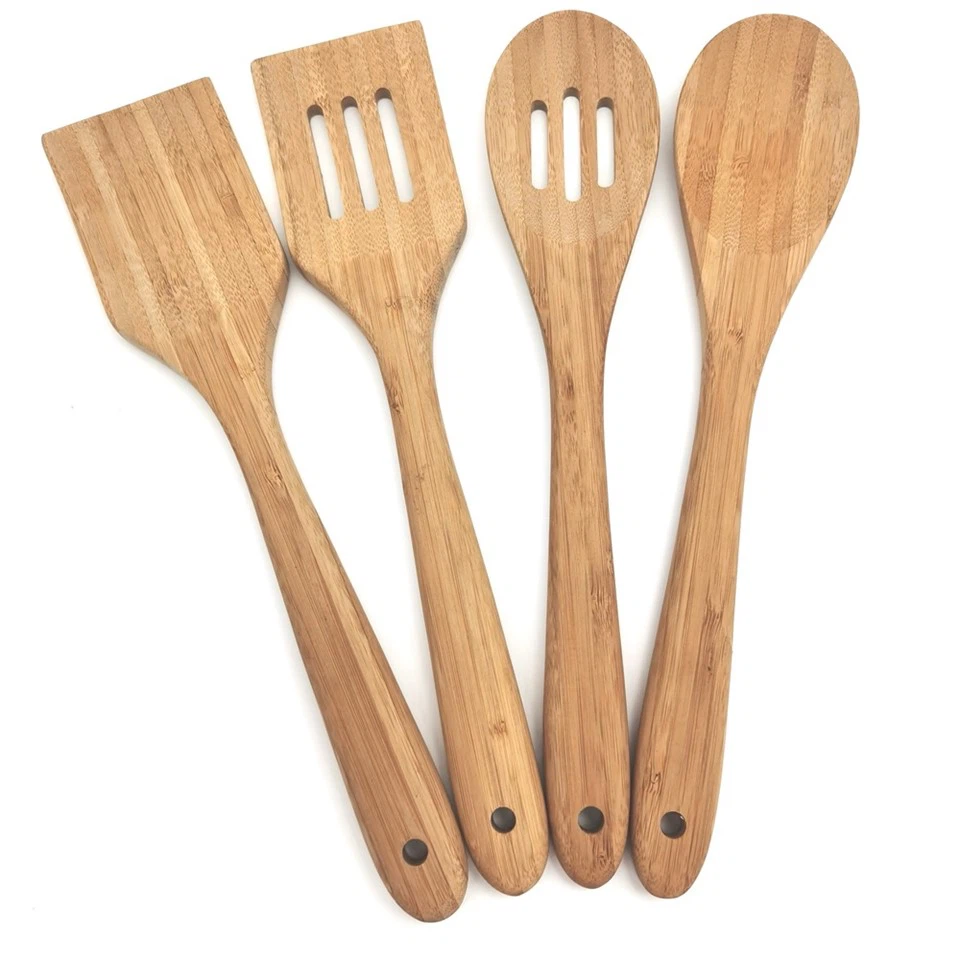
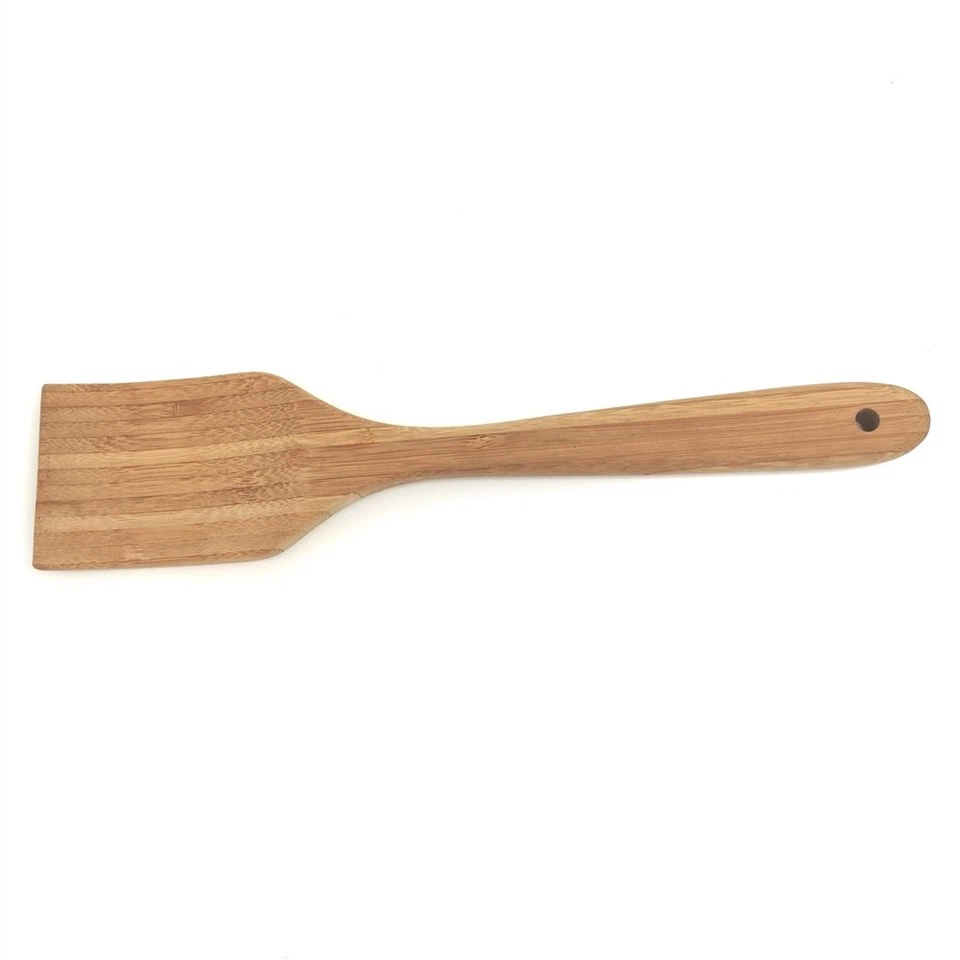
- Rinse Immediately: As soon as you finish using your bamboo utensils, rinse them under warm running water. This will help remove most of the food particles and debris. For example, if you've used a bamboo spatula to flip pancakes, a quick rinse will get rid of the batter residues.
- Use Mild Dish Soap: Apply a small amount of mild dish soap to a soft sponge or cloth. Avoid using harsh detergents or abrasive cleaners, as they can damage the bamboo's surface. Gently scrub the utensil, paying special attention to any areas with stubborn stains. For instance, if there's a bit of tomato sauce on a bamboo spoon, a gentle scrub with soapy water should do the trick.
- Rinse Thoroughly: After scrubbing, rinse the utensil thoroughly under warm water to remove all the soap. Make sure no soap residue is left on the bamboo, as it can leave a film and attract more dirt over time.
- Dry Completely: Pat the utensil dry with a clean towel. Then, let it air - dry in a well - ventilated area. It's important to ensure that the bamboo is completely dry before storing it. Leaving it wet can cause mold growth. You can place the utensils on a drying rack with good air circulation.
Dealing with Stubborn Stains
Sometimes, you may encounter stubborn stains on your bamboo kitchen utensils. Here are some natural solutions to tackle them:
- Lemon Juice: Lemon juice is a natural bleaching agent. Squeeze some fresh lemon juice onto the stained area and let it sit for a few minutes. Then, gently scrub the area with a soft cloth or sponge. Rinse the utensil thoroughly and dry it. For example, if there's a coffee stain on a bamboo cutting board, lemon juice can help lighten it.
- Baking Soda Paste: Mix baking soda with a little water to form a paste. Apply the paste to the stain and use a soft brush or cloth to scrub it gently. Baking soda is a mild abrasive that can help lift the stain without scratching the bamboo. After scrubbing, rinse the utensil well and dry it. This method works well for grease stains on bamboo spoons.
Deep Cleaning
Periodically, your bamboo kitchen utensils may need a deep cleaning to maintain their overall health. Here's how you can do it:
- Vinegar Soak: Fill a basin or sink with a solution of one part white vinegar and three parts water. Submerge the bamboo utensils in the solution for about 15 - 20 minutes. Vinegar helps to disinfect the bamboo and remove any built - up odors. After soaking, remove the utensils, rinse them thoroughly under running water, and dry them completely.
- Oil Treatment: After deep cleaning, it's a good idea to give your bamboo utensils an oil treatment. Food - grade mineral oil or beeswax can be used to seal the bamboo and prevent it from drying out. Apply a small amount of oil or melted beeswax to a clean cloth and rub it onto the utensil's surface. Let the oil or wax soak in for a few hours or overnight, then wipe off any excess. This treatment will help keep the bamboo looking new and prevent cracking.
Storage Tips
Proper storage is also an important part of maintaining your bamboo kitchen utensils. Here are some tips:
- Keep Them Dry: Make sure your utensils are completely dry before storing them. Moisture can lead to mold and mildew growth. You can use a desiccant packet in the storage area to absorb any excess moisture.
- Avoid Direct Sunlight: Prolonged exposure to direct sunlight can cause the bamboo to fade and dry out. Store your utensils in a cool, dark place.
- Separate Storage: If possible, store your bamboo utensils separately from other utensils. This will prevent them from getting scratched or damaged.
Conclusion
Cleaning bamboo kitchen utensils is not difficult, but it does require some attention to detail. By following the methods mentioned above, you can keep your bamboo utensils clean, hygienic, and in good condition for a long time. At our company, we are committed to providing high - quality Organic Bamboo Cooking Utensils that are both functional and sustainable.
If you're interested in purchasing our bamboo kitchen utensils or have any questions about cleaning and maintenance, we'd love to hear from you. Feel free to reach out to us for more information or to start a procurement negotiation. We look forward to serving you and helping you make your kitchen more eco - friendly with our bamboo products.
References
- "The Complete Guide to Bamboo Care" by Green Living Press
- "Kitchen Utensil Maintenance Handbook" by Home Essentials Publishing