


Hey there! As a supplier of adjustable rolling pins, I often get asked how to make sure these handy tools are evenly adjusted. It's a crucial question, especially for bakers and pastry chefs who rely on consistent results. In this blog, I'll share some tips and tricks to help you achieve that perfect, even adjustment every time.
First off, let's understand why even adjustment matters. An adjustable rolling pin allows you to control the thickness of the dough you're working with. Whether you're making delicate pie crusts, flaky pastries, or thick pizza dough, having an evenly adjusted rolling pin ensures that your dough has a uniform thickness across the board. This, in turn, leads to consistent baking times and better-looking, better-tasting final products.
So, how do you go about ensuring that your adjustable rolling pin is evenly adjusted? Well, it starts with the initial setup. When you first get your rolling pin, take a close look at it. Most adjustable rolling pins have two adjustable end rings or collars that determine the thickness of the dough. These rings are usually marked with measurements, which is super helpful.
Before you start using the rolling pin, make sure the rings are clean and free of any debris. Even a tiny bit of flour or dough stuck in the adjustment mechanism can throw off the accuracy. Use a soft brush or a dry cloth to clean the rings thoroughly.
Next, set the rings to the desired thickness. This might seem obvious, but it's important to do it carefully. Line up the measurement markings on the rings with the thickness you want. For example, if you're making a pie crust and you want it to be about 1/8 inch thick, set the rings to that measurement.
Once you've set the rings, it's a good idea to do a test roll. Take a small piece of dough and roll it out using the adjustable rolling pin. Check the thickness of the dough at several points. You can use a ruler or a dough thickness gauge to measure it accurately. If the dough is thicker in some areas and thinner in others, it means the rolling pin isn't evenly adjusted.
If you find that the dough isn't uniform, don't worry. There are a few things you can do to fix it. First, check if the rings are properly tightened. Sometimes, the rings can loosen during use, causing the thickness to vary. Use the adjustment tool (usually a small wrench or a screw driver that comes with the rolling pin) to tighten the rings securely. Make sure they're tightened evenly on both sides of the rolling pin.
Another thing to check is the alignment of the rings. If one ring is slightly off-center, it can cause the dough to be uneven. Look at the rings from the end of the rolling pin and make sure they're parallel to each other. If they're not, gently adjust them until they're perfectly aligned.
It's also important to use the rolling pin correctly. When you're rolling the dough, apply even pressure across the entire length of the rolling pin. Don't push down harder on one end than the other, as this can also lead to uneven dough thickness. Roll the pin back and forth in a smooth, straight motion, and try to keep your movements consistent.
Now, let's talk about the different types of adjustable rolling pins we offer. We have a great selection, including the Rubber Wood Rolling Pin. Rubber wood is a sustainable and durable material that's perfect for rolling pins. It's smooth and easy to clean, and it provides a great grip.
Our Laser Print Rolling Pin is another popular choice. The laser-printed measurements on the rolling pin are super clear and easy to read, making it a breeze to set the desired thickness.
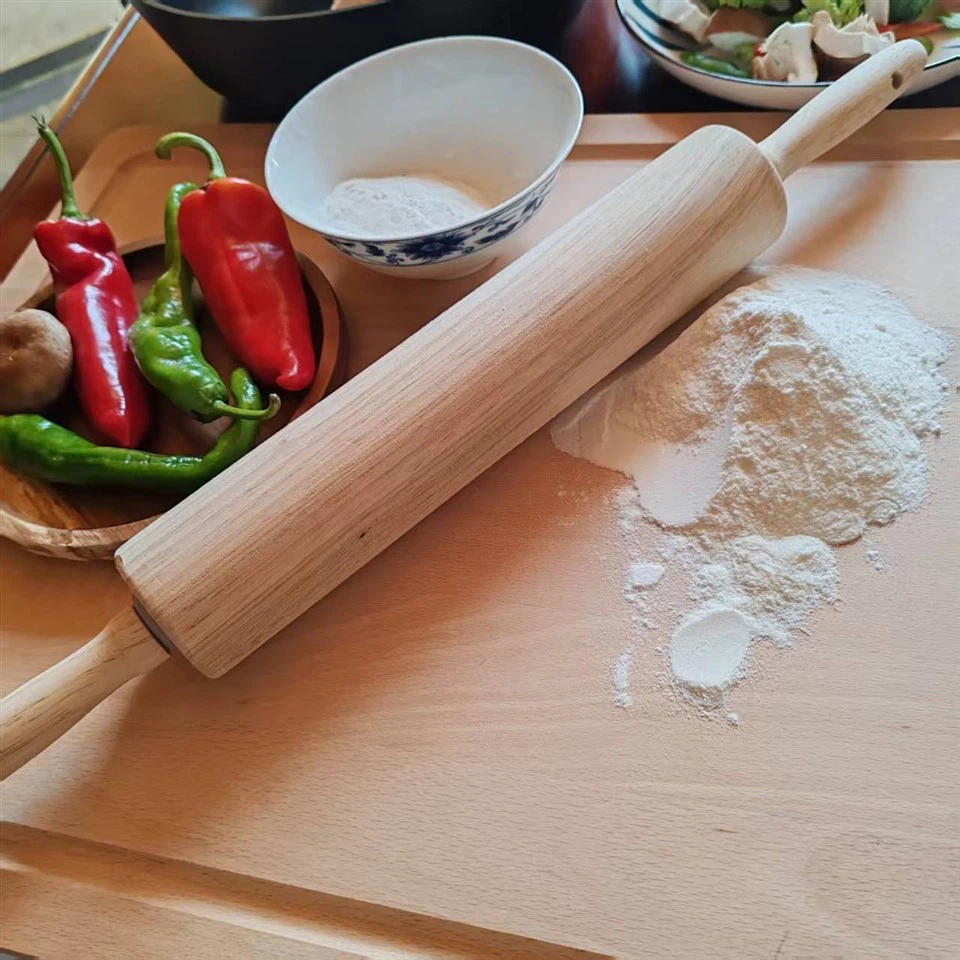
And if you're looking for a classic option, our Beech Wood Rolling Pin is a great one. Beech wood is known for its strength and smooth surface, which helps the dough roll out evenly.
In addition to these tips, it's a good idea to practice using the adjustable rolling pin regularly. The more you use it, the better you'll get at adjusting it evenly and getting consistent results. And don't be afraid to experiment with different types of dough and thicknesses to see how the rolling pin performs.
If you're still having trouble getting the adjustable rolling pin to adjust evenly, or if you have any other questions about our products, feel free to reach out. We're here to help you make the most of your baking experience. Whether you're a professional baker or a home cook, our adjustable rolling pins can make your life a lot easier.
In conclusion, making sure your adjustable rolling pin is evenly adjusted is all about attention to detail. Clean the adjustment rings, set them carefully, do a test roll, and make any necessary adjustments. With a little practice, you'll be rolling out perfect, evenly thick dough every time.
So, if you're in the market for an adjustable rolling pin, consider our high-quality options. We're confident that you'll love them as much as we do. And if you have any questions or you're interested in placing an order, just let us know. We're always happy to chat about our products and help you find the right one for your needs.
References

- General baking knowledge and experience in the industry.