


Hey there, baking enthusiasts! As a supplier of beech wood rolling pins, I often get asked the question: “Do beech wood rolling pins leave marks on the dough?” Well, let's dive right into this topic and find out.
First off, let's talk a bit about beech wood itself. Beech wood is a popular choice for rolling pins for several reasons. It's a hard - wearing wood, which means it can withstand the pressure and friction that comes with rolling out dough. It's also relatively smooth, and it has a nice, natural feel in your hand. But does that smoothness translate to a mark - free dough?
When you're using a beech wood rolling pin, the chances of leaving marks on the dough depend on a few factors. One of the most important factors is the quality of the rolling pin. A well - crafted beech wood rolling pin that has been sanded and finished properly is less likely to leave marks. The surface should be as smooth as possible, without any rough spots or splinters. If there are imperfections on the surface of the rolling pin, they can transfer onto the dough, leaving unwanted marks.
Another factor is the type of dough you're working with. Some doughs are more delicate than others. For example, a light, airy pie crust dough is more likely to show marks compared to a denser bread dough. The texture and consistency of the dough play a big role. If the dough is too sticky, it can adhere to the rolling pin, and when you lift the rolling pin, it might pull at the dough and create marks. On the other hand, if the dough is too dry, it can crumble and also result in an uneven surface.
Let's also consider the way you're using the rolling pin. If you're applying too much pressure in one area or rolling in a jerky, uneven motion, you're more likely to leave marks on the dough. It's important to use a smooth, even pressure when rolling out the dough. Start from the center of the dough and roll outwards in all directions. This helps to distribute the pressure evenly and reduces the chances of creating marks.
Now, let's compare beech wood rolling pins with other types of rolling pins. There are different materials out there, each with its own pros and cons. For instance, you might want to check out the T - Shape Pastry Rolling Pin. This type of rolling pin has a unique design that can offer more control and precision when rolling out dough. It might be a great alternative if you're having trouble with marks using a traditional beech wood rolling pin.
Then there's the Rubber Wood Rolling Pin. Rubber wood is another popular material for rolling pins. It's known for being lightweight and easy to handle. However, it might not be as durable as beech wood in the long run. But in terms of leaving marks on the dough, it can perform similarly to a beech wood rolling pin, depending on its surface finish.
And if you're looking for something a bit more fun and decorative, the Laser Print Rolling Pin could be an option. These rolling pins have designs engraved on them, which can leave patterns on the dough. While these are intentional marks, they show that the surface of the rolling pin directly affects what ends up on the dough.
So, to answer the question “Do beech wood rolling pins leave marks on the dough?” The answer is, it depends. With a high - quality, well - finished beech wood rolling pin and proper dough - rolling techniques, you can minimize the chances of leaving marks. But if there are issues with the rolling pin's surface or the way you're using it, marks can occur.

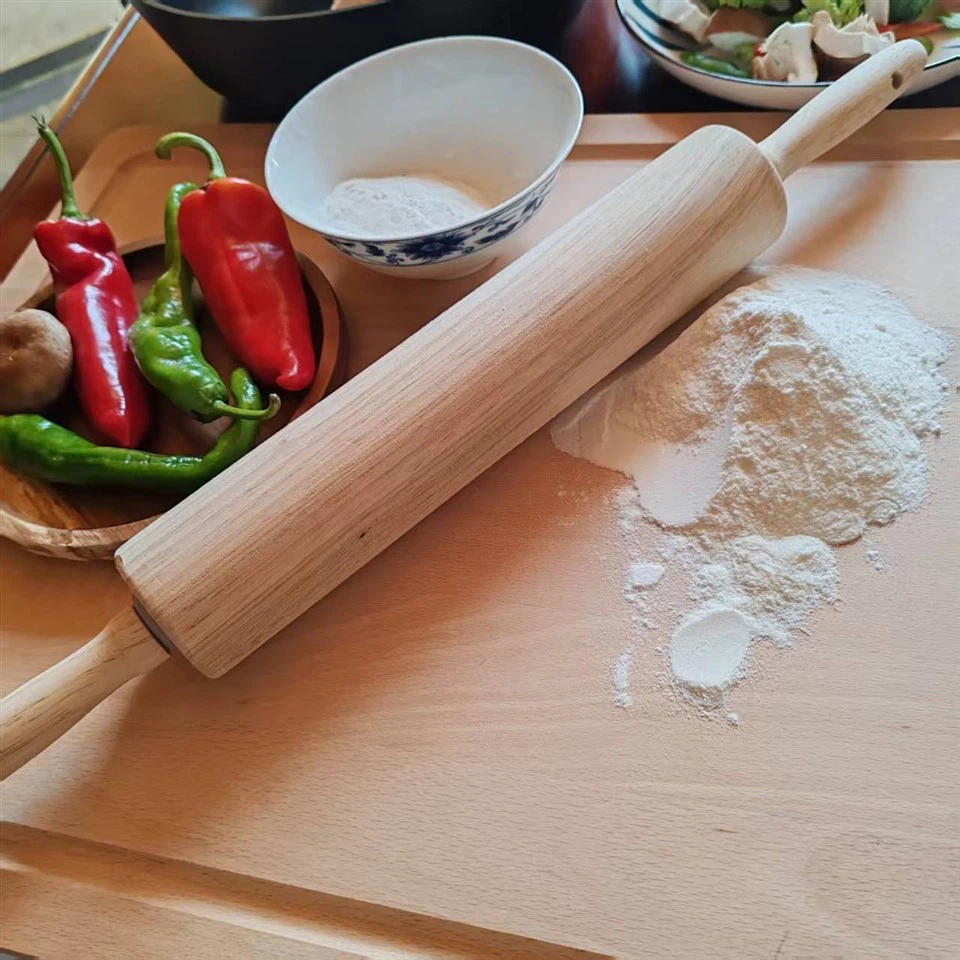
If you're in the market for a new rolling pin, I'd highly recommend giving beech wood a try. Our beech wood rolling pins are carefully crafted to ensure a smooth surface and long - lasting durability. They're perfect for all your baking needs, whether you're making pies, cookies, or bread.
If you're interested in purchasing our beech wood rolling pins or have any questions about them, don't hesitate to reach out. We're always happy to help you find the perfect rolling pin for your kitchen. Whether you're a professional baker or just someone who loves to bake at home, we've got you covered.
References
- "Wooden Kitchenware: Properties and Uses" - A guide on different types of wood used in kitchen utensils.
- "The Art of Dough Rolling" - An article discussing techniques for rolling dough without marks.