


As a seasoned supplier of high - quality kitchenware, I've had the privilege of working closely with various types of rolling pins, especially the Beech Wood Rolling Pin. One question that frequently arises from our customers is: "Do beech wood rolling pins have a polished surface?" In this blog post, I'll delve into the details of beech wood rolling pins, their surface characteristics, and how they compare to other types of rolling pins.
The Nature of Beech Wood
Beech wood is a popular choice for making rolling pins due to its numerous advantages. It is a hardwood, which means it is dense, strong, and durable. This makes beech wood rolling pins capable of withstanding the pressure and friction involved in rolling out dough. Moreover, beech wood has a relatively fine grain, which gives it a smooth and even appearance.
Surface Finish of Beech Wood Rolling Pins
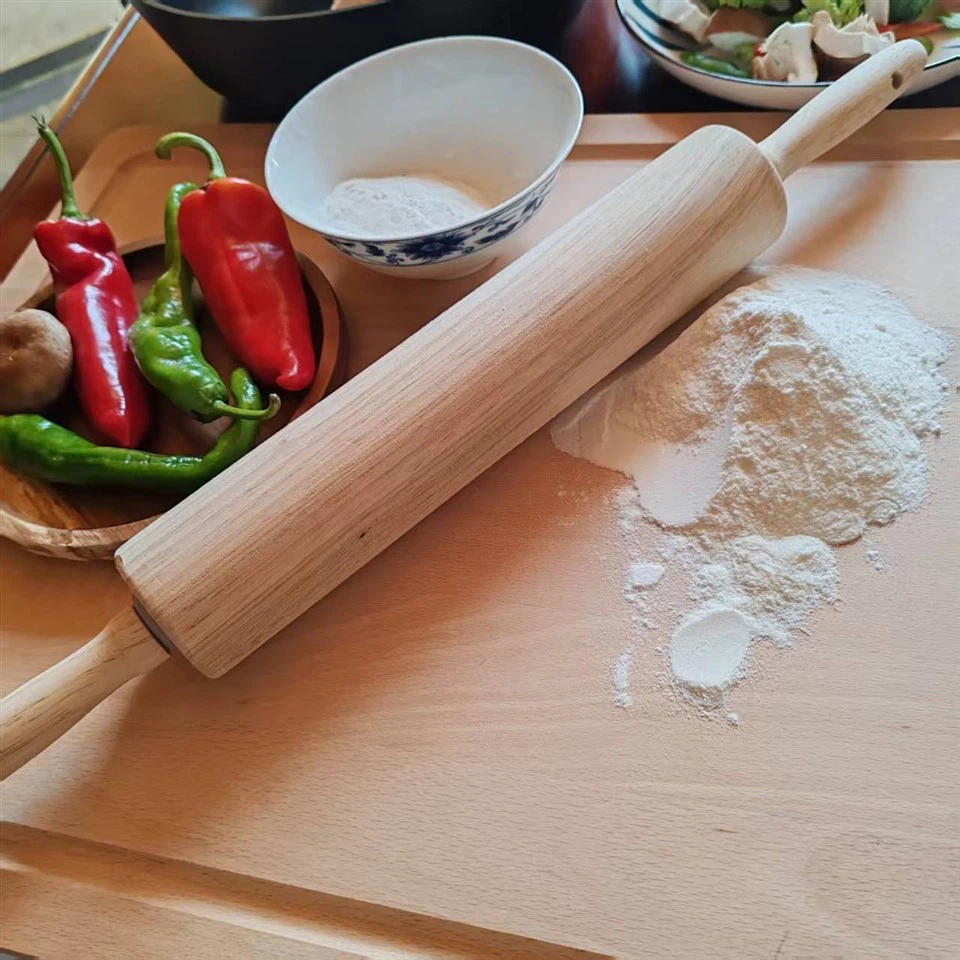
Most beech wood rolling pins on the market, including the ones we supply at [our unnamed company], have a polished surface. The polishing process is crucial as it enhances the functionality and aesthetics of the rolling pin.
From a functional perspective, a polished surface reduces friction between the rolling pin and the dough. This allows for easier and more efficient rolling, as the dough is less likely to stick to the pin. When you're working with delicate pastries or doughs that require a smooth finish, a polished beech wood rolling pin can make all the difference. It ensures that the dough spreads evenly without tearing or sticking, resulting in a professional - looking end product.
Aesthetically, a polished surface gives the rolling pin a sleek and attractive appearance. It adds a touch of elegance to your kitchen and makes the rolling pin a pleasure to use. The natural color and grain of the beech wood are also enhanced by the polishing, creating a beautiful and unique piece of kitchenware.
The Polishing Process
The polishing of beech wood rolling pins is a multi - step process that requires skill and precision. First, the raw beech wood is shaped into the desired form of the rolling pin. This involves cutting, turning, and sanding the wood to achieve a smooth and even surface.
After the initial shaping, the rolling pin undergoes a series of sanding steps with progressively finer grits of sandpaper. This helps to remove any rough spots or imperfections on the surface and prepares the wood for the final polishing.
The final polishing is typically done using a food - safe polish or oil. This not only gives the rolling pin a shiny finish but also helps to protect the wood from moisture and wear. The polish or oil penetrates the wood, enhancing its natural beauty and durability.
Comparing Beech Wood Rolling Pins with Other Types
Let's compare beech wood rolling pins with other popular types of rolling pins, such as Rubber Wood Rolling Pin and T - Shape Pastry Rolling Pin.
Rubber Wood Rolling Pins: Rubber wood is a softer wood compared to beech wood. While rubber wood rolling pins can also have a polished surface, they may not be as durable as beech wood rolling pins. The softer nature of rubber wood means that it is more prone to scratches and dents, which can affect the smoothness of the surface over time. Beech wood, on the other hand, retains its polished surface and functionality for a longer period.
T - Shape Pastry Rolling Pins: T - shape pastry rolling pins are designed for specific tasks, such as rolling out pie crusts or tart shells. They often have a unique shape and may be made from different materials, including wood, metal, or plastic. While they offer specialized functionality, they may not have the same natural feel and aesthetic appeal as a polished beech wood rolling pin. The smooth and warm texture of beech wood makes it a favorite among bakers who appreciate the traditional and tactile experience of using a wooden rolling pin.
Maintenance of Polished Beech Wood Rolling Pins
To keep your beech wood rolling pin in top condition, proper maintenance is essential. After each use, wash the rolling pin with warm, soapy water and dry it thoroughly. Avoid soaking the rolling pin in water for an extended period, as this can cause the wood to warp or crack.
Periodically, apply a food - safe oil or polish to the rolling pin to maintain its polished surface and protect the wood. This will help to keep the rolling pin looking beautiful and functioning well for years to come.

Why Choose Our Beech Wood Rolling Pins
As a supplier, we take pride in offering high - quality Beech Wood Rolling Pin. Our rolling pins are carefully crafted from the finest beech wood and undergo a rigorous quality control process to ensure that they meet the highest standards.
We understand the importance of a polished surface in a rolling pin, and we go the extra mile to ensure that each of our beech wood rolling pins has a smooth, shiny finish. Whether you're a professional baker or a home cook, our rolling pins will provide you with the performance and durability you need.
Contact Us for Procurement
If you're interested in purchasing our beech wood rolling pins or have any questions about our products, we encourage you to contact us for procurement and further discussions. Our team of experts is ready to assist you in finding the perfect rolling pin for your needs. We offer competitive prices, excellent customer service, and fast shipping. Let's work together to enhance your baking experience with our high - quality beech wood rolling pins.
References
- "Wooden Kitchenware: Properties and Care." Kitchenware Journal, Vol. 12, Issue 3, 2020.
- "The Art of Baking with Wooden Rolling Pins." Baking Magazine, Vol. 8, Issue 5, 2019.