


Do bamboo cutting boards discolor easily? This is a question that many of our customers often ask when considering purchasing bamboo cutting boards. As a supplier of high - quality bamboo cutting boards, I'm here to share in - depth knowledge on this topic.
Understanding the Nature of Bamboo
Bamboo is a remarkable natural material. It's a fast - growing grass that is highly renewable. This makes it an environmentally friendly choice for various products, including cutting boards. Bamboo has a dense and fibrous structure, which gives it strength and durability. Its natural color is usually a warm, light - brown hue, which adds an aesthetic appeal to any kitchen.
Factors That Can Cause Discoloration
1. Exposure to Food and Liquids
When you use a bamboo cutting board for food preparation, it comes into contact with a variety of substances. Acidic foods such as lemons, tomatoes, and vinegar can react with the bamboo's surface. Over time, these acidic components can cause the bamboo to darken. For example, the citric acid in lemons can break down the natural polymers in the bamboo, leading to a change in color. Similarly, red wine or other deeply - colored liquids can stain the bamboo if left on the surface for an extended period.
2. UV Light Exposure
Sunlight contains ultraviolet (UV) rays. Prolonged exposure to UV light can cause the bamboo to fade. If you place your bamboo cutting board near a window or in direct sunlight for hours on end, the natural pigments in the bamboo will gradually break down. This results in a lighter and often uneven color on the cutting board.
3. Improper Cleaning and Maintenance
Using harsh chemicals or abrasive cleaning tools can damage the bamboo's surface. Bleach, for instance, can bleach out the natural color of the bamboo, leaving it looking dull and discolored. Abrasive sponges or scouring pads can scratch the bamboo, creating areas where stains are more likely to accumulate. Also, if the cutting board is not dried properly after cleaning, it can develop mold or mildew, which will cause dark spots and discoloration.
Our Bamboo Cutting Boards' Resistance to Discoloration
At our company, we take several steps to ensure that our bamboo cutting boards are as resistant to discoloration as possible.
1. High - Quality Bamboo Selection
We source our bamboo from carefully selected plantations. We choose bamboo that has reached an optimal age and growth stage, which means it has a more uniform and stable structure. This makes the bamboo less prone to discoloration from the start.

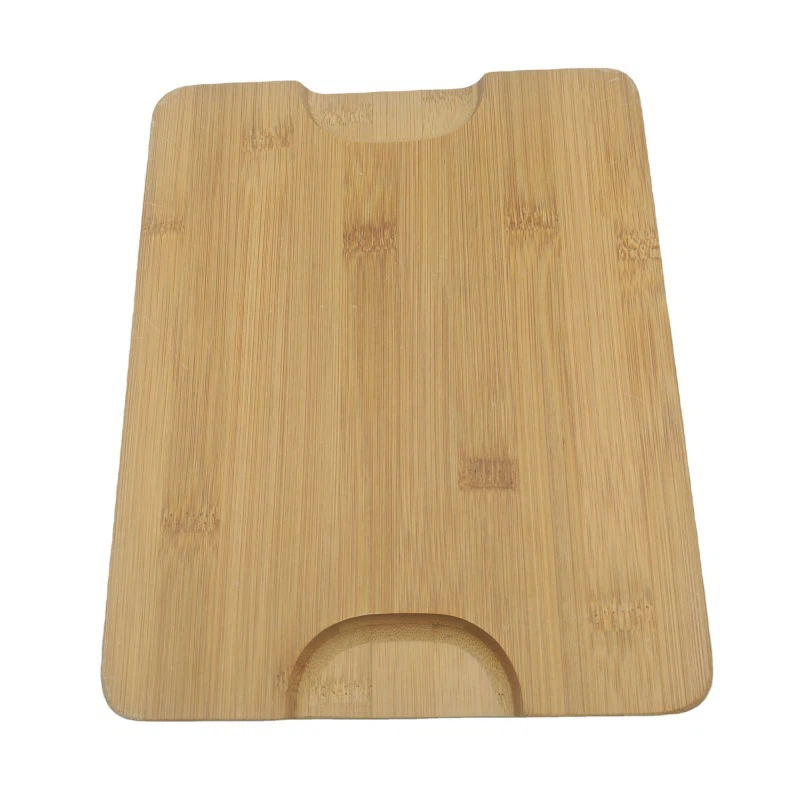
2. Special Treatment Processes
Our bamboo cutting boards undergo a series of treatment processes. One of these is a natural oil treatment. We use food - grade oils to seal the bamboo's surface. This oil forms a protective barrier that prevents food and liquids from penetrating deeply into the bamboo. As a result, stains are less likely to occur. The oil also helps to maintain the bamboo's natural moisture balance, reducing the risk of fading due to dryness.
3. Quality Control
Before our cutting boards are shipped out, they go through strict quality control checks. We inspect each board for any signs of potential discoloration issues. This includes checking for uneven coloring, weak spots, or any damage that could lead to discoloration in the future.
Comparing Our Products with Others
When compared to other cutting board materials like plastic or wood, our bamboo cutting boards have several advantages in terms of discoloration.
1. Compared to Plastic
Plastic cutting boards can easily absorb stains from food. They also tend to scratch easily, and these scratches can trap food particles and bacteria, leading to discoloration. Our bamboo cutting boards, on the other hand, are more resistant to scratches and stains due to their natural density and the protective oil treatment.
2. Compared to Wood
While wood is a popular choice for cutting boards, it can be more prone to discoloration. Different types of wood have varying levels of natural oils and pigments, which can make them react differently to food and liquids. Some woods may also be more porous than bamboo, allowing stains to penetrate more easily. Our bamboo cutting boards offer a more consistent and resistant option in terms of color retention.
Tips for Maintaining the Color of Your Bamboo Cutting Board
Even though our bamboo cutting boards are designed to be resistant to discoloration, proper maintenance is still crucial.
1. Regular Oil Treatments
We recommend oiling your bamboo cutting board every few weeks. You can use food - grade mineral oil or beeswax. Apply a thin layer of oil to the board and let it soak in for a few hours. Then, wipe off any excess oil. This will keep the bamboo hydrated and further protect it from stains.
2. Gentle Cleaning
Use a mild dish soap and a soft sponge to clean your cutting board. Avoid using hot water for extended periods as it can dry out the bamboo. After cleaning, rinse the board thoroughly and dry it immediately with a clean towel.
3. Storage
Store your bamboo cutting board in a cool, dry place away from direct sunlight. You can also store it in a cabinet or drawer to protect it from dust and UV light.
Our Product Range
We offer a wide range of bamboo cutting boards to meet different customer needs. One of our popular products is the Rectangle Bamboo Cutting Board. It has a simple and classic design, perfect for everyday use in the kitchen. Another great option is the Bamboo Cutting Board with Juice Groove. This cutting board is ideal for cutting meats and fruits as the juice groove catches any liquids, preventing them from spilling onto the countertop and reducing the risk of stains on the cutting board.
Conclusion
In conclusion, while bamboo cutting boards can discolor under certain conditions, our high - quality bamboo cutting boards are designed to be as resistant to discoloration as possible. With proper selection, treatment, and maintenance, you can enjoy a beautiful and long - lasting bamboo cutting board in your kitchen.
If you're interested in purchasing our bamboo cutting boards or have any questions about discoloration or other product - related issues, we'd love to hear from you. Contact us to start a discussion about your procurement needs. We're confident that our products will meet your expectations and enhance your kitchen experience.
References
- "The Properties and Uses of Bamboo" by Forest Products Laboratory
- "Food - Grade Oils for Wood and Bamboo Preservation" in Journal of Sustainable Kitchenware