


Hey there, fellow kitchen enthusiasts! As a wooden kitchen utensil supplier, I get asked a ton of questions about our products. One of the most common ones is, "Can I use wooden kitchen utensils in the oven?" Well, let's dive right into this topic and find out.
First off, let's talk about the basics of wooden kitchen utensils. We offer a wide range of them, like the 12 Inch Wooden Spoon. It's a great tool for stirring, scraping, and all sorts of cooking tasks on the stovetop. And then there are our Olive Wood Kitchen Accessories, which add a touch of elegance to any kitchen. And don't forget our Beech Wood Kitchen Utensil collection, known for its durability and smooth finish.
Now, back to the big question: using wooden utensils in the oven. The short answer is, it's generally not a good idea. Wood is a natural material, and it doesn't handle high temperatures well. When you put a wooden utensil in the oven, several things can happen.

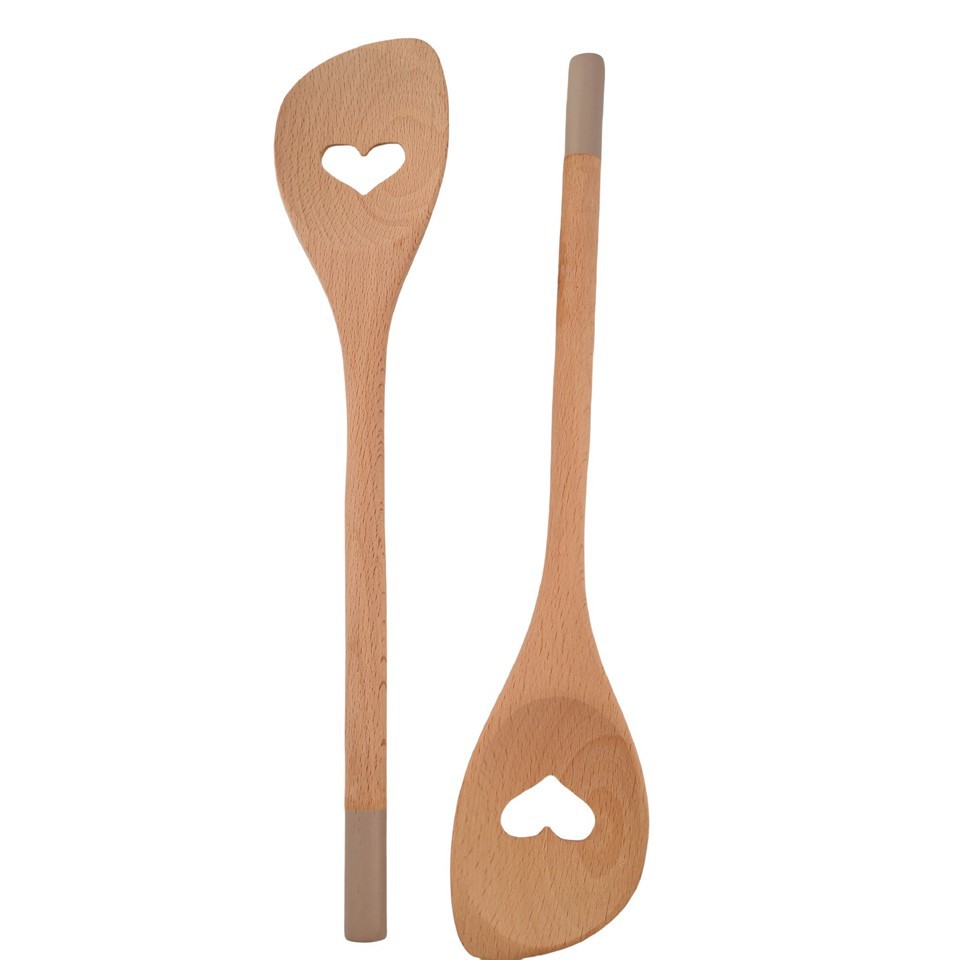
One of the main issues is that wood can dry out and crack in the heat. The oven's high temperature sucks the moisture out of the wood, causing it to shrink and split. This not only ruins the utensil but can also create sharp edges that are a safety hazard. You definitely don't want a piece of splintered wood ending up in your food!
Another problem is that wood is flammable. If the temperature in the oven gets too high or the utensil is too close to the heating element, it could catch fire. That's a serious risk that you don't want to take in your kitchen. Even if it doesn't catch fire, the wood can char and turn black, which is not only unappealing but can also affect the taste of your food.
But wait, there are some exceptions. If you're using a wooden utensil in a very short - term, low - temperature situation, it might be okay. For example, if you're just quickly basting a dish in the oven at a low temperature (say, around 200°F or 93°C) for a couple of minutes, and the utensil isn't in direct contact with the heating element, it might survive without too much damage. However, this is still a bit of a gamble, and I wouldn't recommend making it a regular practice.
So, what should you do instead? If you need to use a utensil in the oven, opt for metal or silicone ones. Metal utensils are heat - resistant and can withstand the high temperatures of the oven without any issues. Silicone utensils are also a great choice as they're flexible, non - stick, and can handle oven heat up to a certain point.
Now, let's talk about how to take care of your wooden kitchen utensils. To keep them in good condition, always hand - wash them with mild soap and warm water. Avoid soaking them for too long as this can cause the wood to absorb too much water and warp. After washing, dry them thoroughly with a towel and let them air - dry completely before storing. You can also periodically oil your wooden utensils with food - grade mineral oil to keep them moisturized and prevent cracking.
As a wooden kitchen utensil supplier, I know how important it is to provide you with the best products and information. Our wooden utensils are designed for use on the stovetop, in the prep area, and for serving. They're great for tasks like mixing batters, flipping pancakes, and dishing out salads. But when it comes to the oven, it's best to leave them out.
If you're interested in adding some high - quality wooden kitchen utensils to your collection, we'd love to talk to you. Whether you're a home cook looking to upgrade your kitchen or a restaurant owner in need of bulk supplies, we've got you covered. Just reach out to us, and we can discuss your specific needs and preferences. We offer a wide variety of wooden utensils in different styles, sizes, and woods, so you're sure to find something that suits your taste and cooking style.
In conclusion, while wooden kitchen utensils are a wonderful addition to any kitchen, they're not meant for the oven. By understanding their limitations and taking proper care of them, you can enjoy using them for years to come. So, keep your wooden spoons, spatulas, and other utensils safe and sound on the countertop, and let the metal and silicone ones do the oven work.
References
- "The Science of Wood and Heat" - Journal of Materials Science
- "Kitchen Utensil Safety Guidelines" - National Kitchenware Association