


As a supplier of bamboo kitchen utensils, I often encounter questions from customers about whether these utensils can be painted or coated. This topic is not only relevant to the aesthetic appeal of the products but also to their safety and functionality. In this blog, I will explore the possibilities and considerations when it comes to painting or coating bamboo kitchen utensils.
The Nature of Bamboo
Bamboo is a natural and sustainable material that has been used for centuries in various applications, including kitchenware. It is known for its strength, durability, and resistance to moisture. However, bamboo is also a porous material, which means it can absorb liquids and odors. This porosity can be both an advantage and a disadvantage when considering painting or coating.
On one hand, the porous nature of bamboo allows for better adhesion of paint or coating, ensuring a more durable finish. On the other hand, it also means that any chemicals or substances used in the painting or coating process can potentially penetrate the bamboo and leach into food. Therefore, it is crucial to choose the right type of paint or coating that is safe for food contact.
Types of Paints and Coatings
There are several types of paints and coatings available in the market, each with its own advantages and disadvantages. Here are some common options for bamboo kitchen utensils:
Food-Safe Varnishes
Food-safe varnishes are a popular choice for coating bamboo kitchen utensils. They provide a protective layer that helps to seal the bamboo and prevent it from absorbing moisture and odors. Varnishes also enhance the natural beauty of the bamboo, giving it a smooth and glossy finish.
When choosing a food-safe varnish, look for products that are specifically labeled as safe for food contact. These varnishes are typically made from natural or non-toxic ingredients, such as shellac, beeswax, or plant-based oils. They are free from harmful chemicals, such as lead, mercury, and formaldehyde, which can be dangerous if ingested.
Natural Oils
Natural oils, such as linseed oil, tung oil, and coconut oil, are another option for coating bamboo kitchen utensils. These oils are derived from plants and are known for their natural antibacterial and antifungal properties. They also penetrate the bamboo fibers, providing a deep and long-lasting protection.
To apply natural oils, simply wipe the oil onto the surface of the bamboo using a clean cloth. Allow the oil to penetrate the bamboo for a few hours or overnight, then wipe off any excess oil. Repeat the process several times to build up a thick and durable coating.
Water-Based Paints
Water-based paints are a more environmentally friendly option for painting bamboo kitchen utensils. They are made from water-soluble polymers and are free from volatile organic compounds (VOCs), which can be harmful to the environment and human health.
Water-based paints come in a variety of colors and finishes, allowing you to customize the look of your bamboo kitchen utensils. They are also easy to apply and clean up, making them a popular choice for DIY projects.
Considerations When Painting or Coating Bamboo Kitchen Utensils
Before painting or coating your bamboo kitchen utensils, there are several factors to consider:
Safety
The most important consideration when painting or coating bamboo kitchen utensils is safety. Make sure to choose products that are specifically labeled as safe for food contact and free from harmful chemicals. Avoid using paints or coatings that contain lead, mercury, formaldehyde, or other toxic substances.
Durability
Bamboo kitchen utensils are subject to regular use and cleaning, so it is important to choose a paint or coating that is durable and long-lasting. Look for products that are resistant to scratches, stains, and wear. Consider the type of use your utensils will be subjected to and choose a coating that can withstand the demands of your kitchen.
Aesthetics
The appearance of your bamboo kitchen utensils is also an important consideration. Choose a paint or coating that enhances the natural beauty of the bamboo and complements your kitchen decor. Consider the color, finish, and texture of the paint or coating and how it will look on your utensils.
Maintenance
Finally, consider the maintenance requirements of the paint or coating. Some coatings may require regular reapplication or special cleaning instructions to maintain their appearance and functionality. Make sure you are willing to invest the time and effort required to keep your bamboo kitchen utensils looking their best.
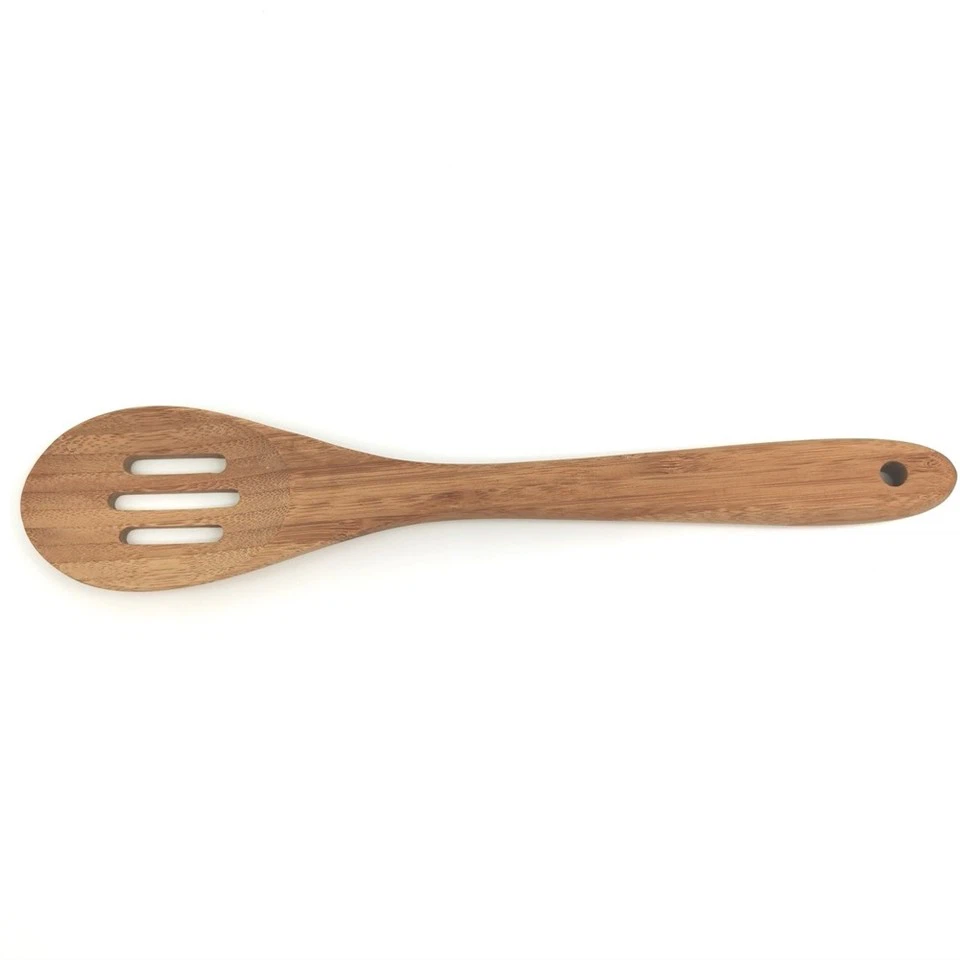
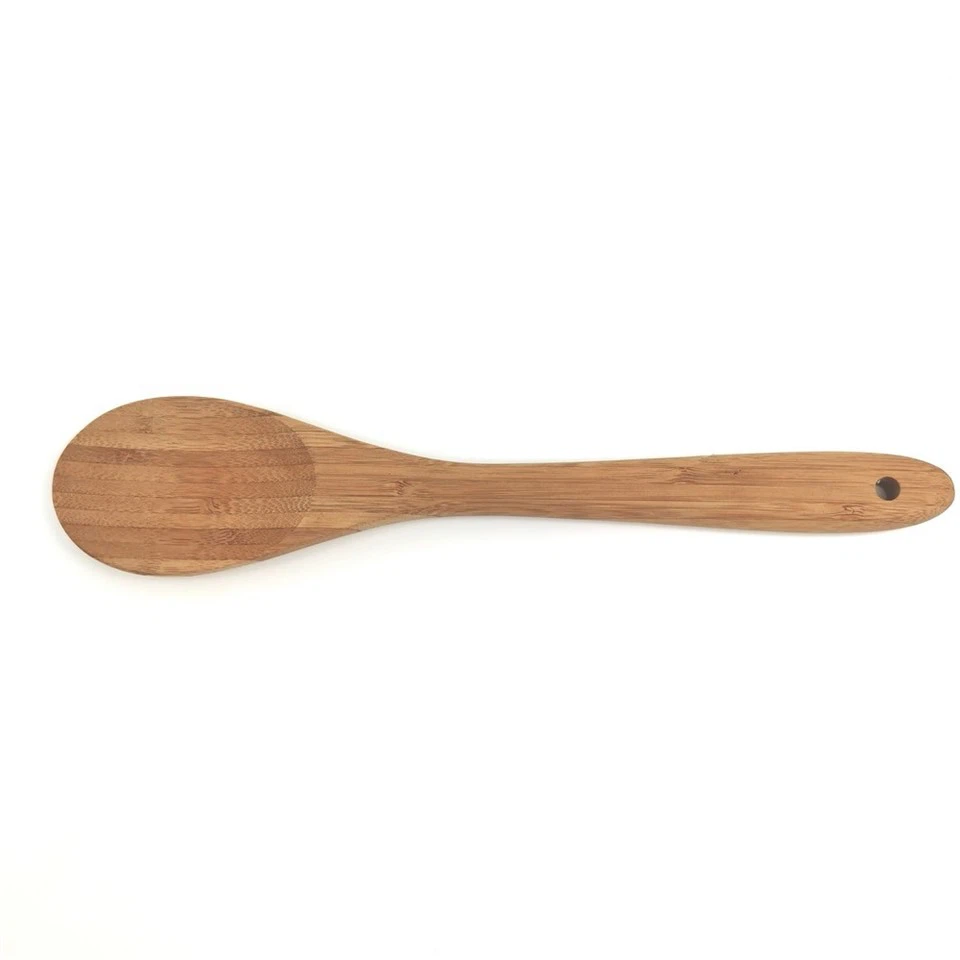
Benefits of Painting or Coating Bamboo Kitchen Utensils
Painting or coating bamboo kitchen utensils can offer several benefits:
Protection
A paint or coating can provide a protective layer that helps to seal the bamboo and prevent it from absorbing moisture and odors. This can extend the lifespan of your utensils and keep them looking and smelling fresh.
Aesthetics
Painting or coating can enhance the natural beauty of the bamboo and give it a customized look. You can choose from a variety of colors and finishes to match your kitchen decor and personal style.
Hygiene
A paint or coating can also help to prevent the growth of bacteria and fungi on the surface of the bamboo. This can make your utensils more hygienic and safe to use.
Conclusion
In conclusion, bamboo kitchen utensils can be painted or coated, but it is important to choose the right type of paint or coating that is safe for food contact and meets your specific needs. Food-safe varnishes, natural oils, and water-based paints are all viable options, each with its own advantages and disadvantages.
As a supplier of Organic Bamboo Cooking Utensils, I am committed to providing high-quality and sustainable products that are both safe and beautiful. If you have any questions or would like to learn more about our bamboo kitchen utensils, please feel free to contact me. I would be happy to assist you with your purchase and provide you with any information you need.
References
- "Food-Safe Finishes for Wood Cutting Boards and Kitchenware." The Spruce Eats, https://www.thespruceeats.com/food-safe-finishes-for-wood-cutting-boards-4082402.
- "How to Finish Bamboo." Hunker, https://www.hunker.com/13427721/how-to-finish-bamboo.
- "The Best Natural Oils for Wood Cutting Boards." The Spruce, https://www.thespruce.com/best-natural-oils-for-wood-cutting-boards-4175722.