


Damper bread, a traditional Australian bread, has a rich history and unique texture. It's typically made with simple ingredients like flour, water, salt, and sometimes baking powder. The process of making damper bread involves kneading the dough and then flattening it before baking. This raises an interesting question: Can an adjustable rolling pin be effectively used for making damper bread? As an adjustable rolling pin supplier, I'm here to explore this topic in detail.
The Characteristics of Damper Bread Dough
Damper bread dough is known for its relatively stiff consistency. Unlike some other bread doughs that are soft and sticky, damper dough holds its shape well. This is due to the minimal amount of water used in the recipe, which creates a dense and firm dough. When making damper bread, the dough needs to be flattened into a round or oval shape before being placed in the oven. This flattening process is crucial as it affects the thickness and evenness of the bread, which in turn impacts its cooking time and final texture.
Advantages of Using an Adjustable Rolling Pin for Damper Bread
Consistent Thickness
One of the primary advantages of using an adjustable rolling pin for making damper bread is the ability to achieve a consistent thickness. Adjustable rolling pins come with settings that allow you to control the distance between the rollers, ensuring that the dough is rolled out to a uniform thickness across the entire surface. This is particularly important for damper bread, as an uneven thickness can lead to some parts of the bread being overcooked while others remain undercooked. With an adjustable rolling pin, you can set the desired thickness based on your preference and the recipe requirements, resulting in a more evenly cooked and professional-looking damper bread.
Customization
Another benefit of an adjustable rolling pin is the customization it offers. Different recipes may call for different thicknesses of damper bread. For example, if you prefer a thinner, crispier damper bread, you can set the rolling pin to a smaller thickness. On the other hand, if you like a thicker, more substantial loaf, you can adjust the settings accordingly. This level of customization allows you to experiment with different textures and styles of damper bread, giving you more control over the final product.
Ease of Use
Adjustable rolling pins are generally easy to use, even for beginners. They are designed to be ergonomic, with comfortable handles that make it easier to apply pressure and roll the dough. This is especially helpful when working with the stiff damper bread dough, as it can be challenging to roll out evenly using a traditional rolling pin. With an adjustable rolling pin, you can simply place the dough on a flat surface, adjust the settings, and start rolling. The rollers help to keep the dough in place and prevent it from sticking to the pin, making the process smoother and more efficient.
Types of Adjustable Rolling Pins Suitable for Damper Bread
Beech Wood Rolling Pin
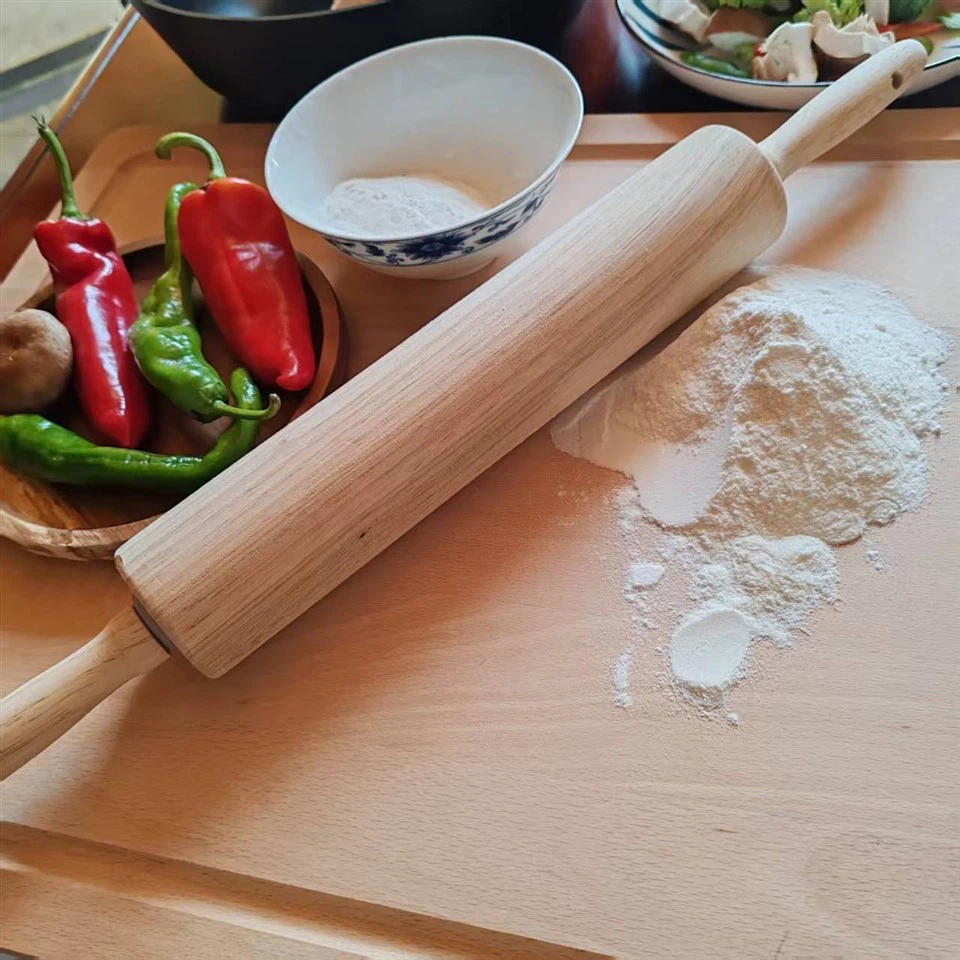
The Beech Wood Rolling Pin is a popular choice for making damper bread. Beech wood is a hard and durable material that can withstand the pressure of rolling out the stiff dough. It also has a smooth surface that prevents the dough from sticking, making it easier to achieve a clean and even roll. The adjustable feature of the beech wood rolling pin allows you to customize the thickness of the damper bread dough, ensuring a consistent and professional result.

Rubber Wood Rolling Pin
The Rubber Wood Rolling Pin is another excellent option for making damper bread. Rubber wood is known for its strength and resistance to wear and tear, making it suitable for heavy-duty use. The adjustable rollers on the rubber wood rolling pin provide precise control over the thickness of the dough, allowing you to create damper bread with the perfect texture. Additionally, rubber wood has a natural non-stick property, which further simplifies the rolling process.
T-Shape Pastry Rolling Pin
The T-Shape Pastry Rolling Pin is a unique and innovative adjustable rolling pin that can be used for making damper bread. The T-shape design provides extra stability and control, making it easier to roll out the dough evenly. The adjustable feature allows you to set the desired thickness, ensuring a consistent result every time. This type of rolling pin is especially useful for those who are new to making damper bread or who struggle with achieving a uniform thickness using traditional rolling pins.
Tips for Using an Adjustable Rolling Pin to Make Damper Bread
Prepare the Dough Properly
Before using an adjustable rolling pin to make damper bread, it's important to prepare the dough properly. Make sure the dough is well-kneaded and has a smooth texture. If the dough is too dry, it may be difficult to roll out, while if it's too wet, it may stick to the rolling pin. Adjust the consistency of the dough by adding a little more flour or water as needed.
Flour the Surface and the Rolling Pin
To prevent the dough from sticking to the rolling pin and the surface, it's a good idea to flour both the surface and the rolling pin before rolling out the dough. Use a light dusting of flour and spread it evenly over the surface. You can also lightly flour the rollers of the adjustable rolling pin to ensure a smooth rolling process.
Roll Slowly and Evenly
When using an adjustable rolling pin to make damper bread, it's important to roll the dough slowly and evenly. Apply gentle pressure and roll the pin back and forth in a straight line, making sure to cover the entire surface of the dough. Avoid applying too much pressure at once, as this can cause the dough to become uneven or break. If necessary, you can make multiple passes over the dough to achieve the desired thickness.
Check the Thickness Regularly
As you roll out the dough, it's a good idea to check the thickness regularly. You can use a ruler or a sheet of paper to measure the thickness of the dough at different points. If the thickness is not consistent, you can adjust the settings on the adjustable rolling pin accordingly and continue rolling.
Conclusion
In conclusion, an adjustable rolling pin can be a valuable tool for making damper bread. Its ability to provide consistent thickness, customization, and ease of use makes it an excellent choice for both novice and experienced bakers. Whether you choose a beech wood rolling pin, a rubber wood rolling pin, or a T-shape pastry rolling pin, you can expect to achieve professional-looking damper bread with a perfect texture. If you're interested in purchasing an adjustable rolling pin for making damper bread or other baking needs, please feel free to contact us for more information and to discuss your requirements. We're committed to providing high-quality adjustable rolling pins that meet the needs of our customers.
References
- "The Art of Baking Damper Bread" - A traditional Australian baking guide.
- "Adjustable Rolling Pins: A Baker's Essential Tool" - A comprehensive review of adjustable rolling pins and their uses.