


When it comes to kitchen tools, a beech wood rolling pin is a staple in many households. As a supplier of high - quality beech wood rolling pins, I often receive questions from customers about the proper use and limitations of these products. One common query is whether a beech wood rolling pin can be used on a hot surface. In this blog, we'll explore this question in depth, considering the properties of beech wood and the potential implications for using it on hot areas.
Properties of Beech Wood
Beech wood is a popular choice for rolling pins due to several of its favorable characteristics. It has a fine, even texture that makes it smooth to roll, which is ideal for working with dough. The wood is also relatively hard, providing durability and resistance to wear and tear. Additionally, beech wood is known for its natural beauty, with a light color and attractive grain pattern that can add an aesthetic touch to any kitchen.
However, like all natural materials, beech wood has its limitations. One key aspect is its reaction to heat. Wood is an organic material composed mainly of cellulose, hemicellulose, and lignin. When exposed to high temperatures, these components can undergo physical and chemical changes.
Effects of Heat on Beech Wood
Physical Changes
When a beech wood rolling pin is placed on a hot surface, the first thing that happens is expansion. Wood is a hygroscopic material, which means it can absorb and release moisture depending on the surrounding environment. When heated, the water molecules within the wood start to move more vigorously, causing the wood fibers to expand. This expansion can lead to warping or cracking of the rolling pin.
For example, if the heat is unevenly distributed across the surface of the rolling pin (which is often the case when placed on a hot stovetop or in an oven), some parts of the wood will expand more than others. This differential expansion creates stress within the wood structure, and over time, it can cause the rolling pin to bend or develop cracks.
Chemical Changes
At higher temperatures, the chemical components of beech wood can start to break down. Cellulose, the main structural component of wood, begins to decompose when exposed to heat above a certain threshold. This decomposition can lead to a loss of strength and integrity in the wood. Additionally, the lignin, which acts as a natural binder in the wood, can also change its properties, further contributing to the degradation of the rolling pin.
In extreme cases, if the temperature is high enough, the beech wood can catch fire. While this is a rare scenario in normal kitchen use, it's still a risk that should be considered when thinking about using a beech wood rolling pin on a hot surface.
Risks of Using a Beech Wood Rolling Pin on a Hot Surface
Damage to the Rolling Pin
As mentioned above, the most immediate risk is damage to the rolling pin itself. Warping and cracking can render the rolling pin unusable for its intended purpose. A warped rolling pin will not roll evenly, making it difficult to achieve a consistent thickness when rolling out dough. Cracks can also collect dough and other debris, which can be difficult to clean and may harbor bacteria.
Safety Concerns
There are also safety concerns associated with using a beech wood rolling pin on a hot surface. If the rolling pin catches fire, it can pose a serious hazard in the kitchen. Even if it doesn't reach the point of ignition, the heat can cause the wood to become very hot to the touch. This can lead to burns if you handle the rolling pin without proper protection.
Alternatives for Working with Hot Surfaces
If you need to work with hot dough or on a hot surface, there are other types of rolling pins that may be more suitable. For example, Rubber Wood Rolling Pin is more heat - resistant than beech wood. Rubber wood has a higher density and a different chemical composition that allows it to withstand higher temperatures without significant damage.
Another option is the T - Shape Pastry Rolling Pin. These rolling pins are often made from materials like stainless steel or hard plastic, which are much more heat - tolerant. They can be used directly on hot surfaces without the risk of warping or catching fire.
If you're looking for a unique rolling pin, the Laser Print Rolling Pin can also be a great choice. While the print on these rolling pins is a decorative feature, they are typically made from materials that can handle some heat if necessary.
Best Practices for Using Beech Wood Rolling Pins
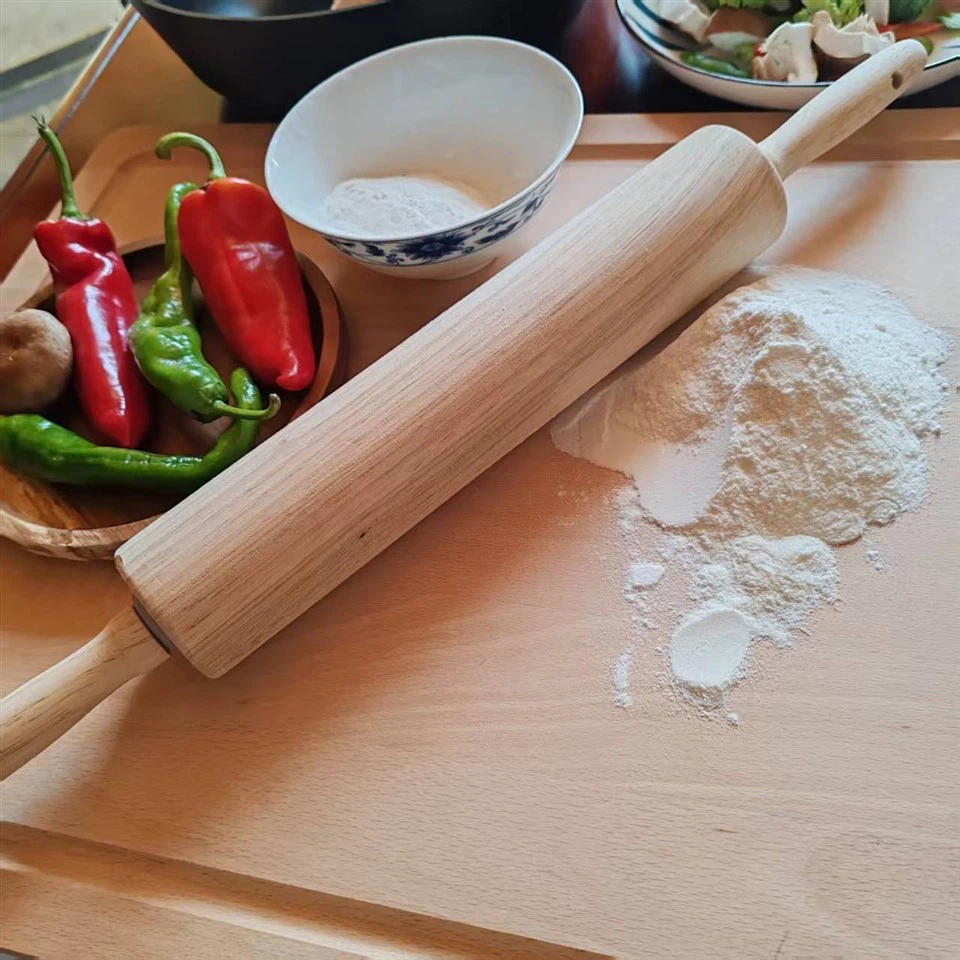
To ensure the longevity and performance of your beech wood rolling pin, it's best to avoid using it on hot surfaces. Instead, use it on a cool, dry, and flat surface such as a marble or wooden cutting board. After each use, clean the rolling pin with mild soap and water, and dry it thoroughly to prevent the growth of mold and mildew.
Store the rolling pin in a cool, dry place away from direct sunlight and heat sources. This will help maintain the integrity of the wood and prevent any unnecessary damage.

Conclusion
In summary, a beech wood rolling pin should not be used on a hot surface. The heat can cause physical and chemical changes to the wood, leading to damage and potential safety hazards. As a supplier of beech wood rolling pins, we want our customers to get the most out of their products. While beech wood rolling pins are excellent for regular dough - rolling tasks on cool surfaces, it's important to choose the right tool for working with hot materials.
If you're in the market for a rolling pin or looking to expand your kitchen tool collection, we offer a wide range of high - quality beech wood rolling pins, as well as other types like the ones mentioned above. If you have any questions or are interested in purchasing, feel free to reach out for a procurement discussion. We're here to help you find the perfect rolling pin for your kitchen needs.
References
- "Wood Science and Technology" by R. F. Panshin and C. de Zeeuw.
- "The Chemistry of Wood" by T. E. Timell.