


Hey there! As a supplier of Acacia Wood Spoon Rests, I often get asked about potential allergens associated with these nifty kitchen tools. So, I thought I'd dive deep into this topic and share what I've learned.
First off, let's talk a bit about acacia wood. Acacia is a type of hardwood that's known for its durability and beautiful grain patterns. It's a popular choice for making all sorts of kitchenware, including our Acacia Wood Spoon Rest. But when it comes to allergens, we need to look at a few different aspects.
Allergens in the Wood Itself
Some people might be allergic to the wood dust generated during the manufacturing process. Wood dust can contain various substances like tannins, resins, and proteins that could trigger an allergic reaction in sensitive individuals. When we're making our spoon rests, we take precautions to minimize the amount of dust exposure for our workers. However, if you're someone who's extremely sensitive to wood dust, it's something to keep in mind.
But once the spoon rest is finished, the risk of an allergic reaction from the wood itself is relatively low. Acacia wood doesn't typically release a significant amount of allergens into the air. And since you're mainly using the spoon rest to rest your spoons on, you're not likely to come into direct contact with any wood dust.
Finishes and Treatments
Another potential source of allergens is the finishes and treatments applied to the acacia wood. Some manufacturers might use chemicals like varnishes, stains, or paints to enhance the appearance and durability of the spoon rest. These chemicals can contain substances like formaldehyde, solvents, and pigments that could cause allergic reactions.
At our company, we're committed to using natural and non-toxic finishes on our Acacia Wood Spoon Rest. We use food-grade oils and waxes that are safe for contact with food. These finishes not only protect the wood but also give it a beautiful, natural look. So, you can rest assured that our spoon rests are free from harmful chemicals that could cause allergies.
Cross-Contamination
Cross-contamination is another factor to consider. If the spoon rest is used in a kitchen where there are other allergenic foods or substances, there's a possibility of cross-contamination. For example, if you're using the spoon rest to rest a spoon that's been used to stir peanut butter, and then you use the same spoon to stir a non-peanut butter dish, there could be a risk of peanut allergen transfer.
To prevent cross-contamination, it's important to clean the spoon rest regularly. You can simply wash it with warm, soapy water and dry it thoroughly. And if you're using the spoon rest in a kitchen where there are multiple allergenic foods, it's a good idea to have separate spoon rests for each type of food.
Other Acacia Wood Products
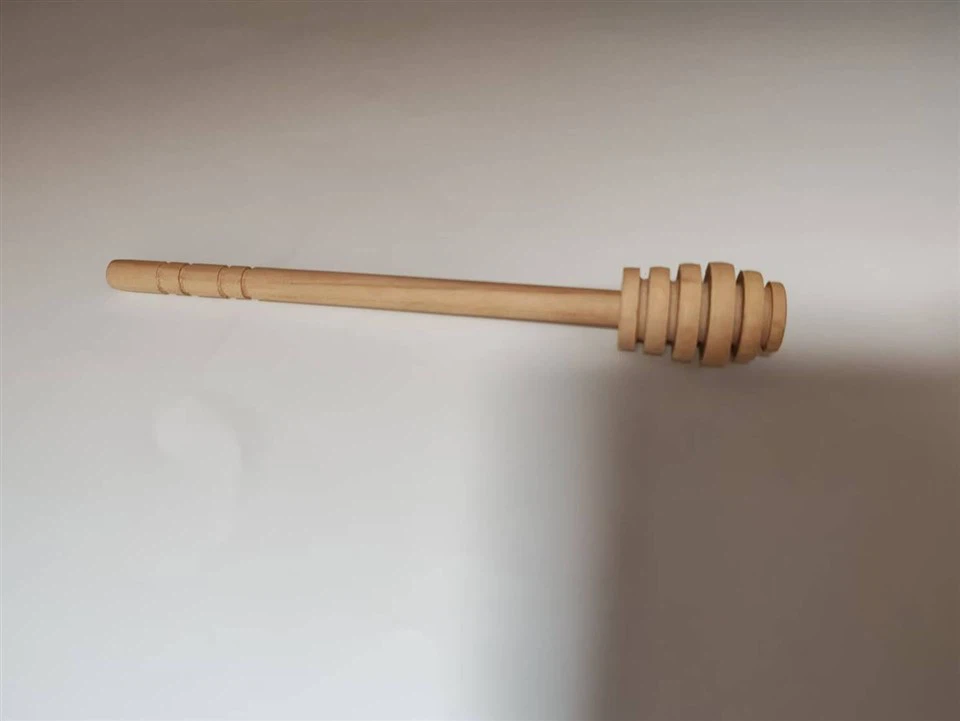
We also offer other acacia wood products, such as Wooden Honey Stirrer and Hand Salad Servers. The same principles apply to these products when it comes to allergens. We use the same natural and non-toxic finishes on all our acacia wood products, so you can trust that they're safe for use in your kitchen.
Conclusion
In conclusion, while there are potential allergens associated with acacia wood and its finishes, the risk of an allergic reaction from our Acacia Wood Spoon Rest is relatively low. We take every precaution to ensure that our products are safe and free from harmful chemicals. However, if you have a known allergy to wood or any of the substances used in the manufacturing process, it's always a good idea to consult with your doctor before using our products.
If you're interested in purchasing our acacia wood products, we'd love to hear from you. Whether you're a retailer looking to stock our products or a consumer looking for high-quality kitchenware, we're here to help. Just reach out to us, and we'll be happy to discuss your needs and answer any questions you might have.

References
- American Academy of Allergy, Asthma & Immunology. (n.d.). Wood Dust Allergy. Retrieved from [Website URL]
- Food and Drug Administration. (n.d.). Food Contact Substances. Retrieved from [Website URL]