


In the ever-evolving landscape of kitchenware, the debate between digital and traditional measuring tools has gained significant traction. As a seasoned supplier of kitchen measuring tools, I've witnessed firsthand the unique advantages and limitations of both types. This blog aims to delve into the intricacies of this debate, providing a comprehensive analysis to help you make an informed decision for your kitchen.
The Rise of Digital Kitchen Measuring Tools
Digital measuring tools have revolutionized the way we approach cooking and baking. With their precision and advanced features, they have become a staple in many modern kitchens. These tools typically use electronic sensors to provide accurate measurements, often displaying the results on a digital screen. This eliminates the need for manual reading and reduces the margin of error.
One of the most significant advantages of digital measuring tools is their versatility. Many digital scales, for example, can measure in multiple units, including grams, ounces, pounds, and milliliters. This flexibility makes them suitable for a wide range of recipes, whether you're following a traditional family recipe that uses imperial units or a modern international recipe that calls for metric measurements.
Another benefit of digital measuring tools is their ability to provide real-time feedback. Some digital thermometers, for instance, can continuously monitor the temperature of your food as it cooks, allowing you to adjust the heat accordingly. This feature is particularly useful for tasks that require precise temperature control, such as making candy or baking bread.
Digital measuring tools also often come with additional features that can enhance the cooking experience. Some digital scales have a tare function, which allows you to zero out the weight of a container so that you can accurately measure the ingredients inside. Others have a memory function that can store previous measurements, making it easier to repeat a recipe.

The Enduring Appeal of Traditional Kitchen Measuring Tools
Despite the many advantages of digital measuring tools, traditional measuring tools still hold a special place in the hearts of many home cooks and professional chefs. These tools, which include measuring cups, spoons, and balances, have been used for centuries and are known for their simplicity and reliability.
One of the main advantages of traditional measuring tools is their affordability. A basic set of measuring cups and spoons can be purchased for a fraction of the cost of a digital scale or thermometer. This makes them a great option for those on a budget or for those who only need to measure ingredients occasionally.
Traditional measuring tools are also easy to use. They don't require any batteries or complicated setup, and most people are familiar with how to use them from a young age. This simplicity makes them a popular choice for novice cooks or for those who prefer a more hands-on approach to cooking.
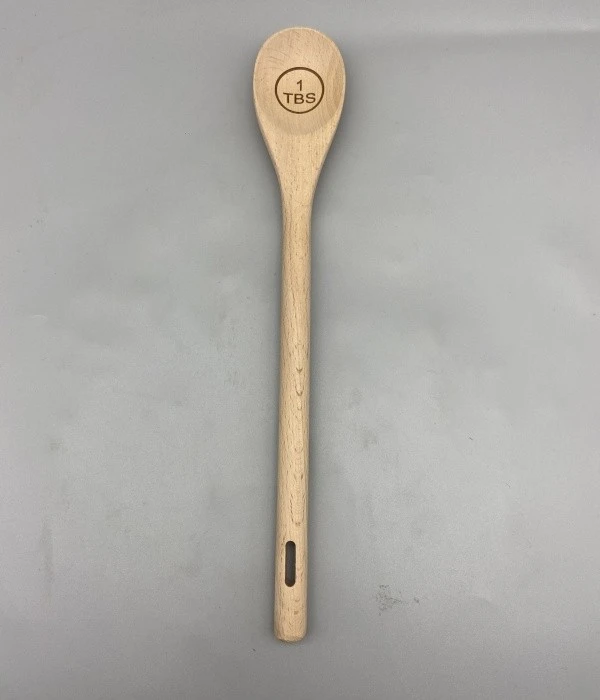
In addition, traditional measuring tools are often made from durable materials, such as stainless steel or wood. This makes them resistant to wear and tear and ensures that they will last for many years. Some traditional measuring tools, such as Wooden Measuring Cup Set, Wooden Coffee Measuring Spoon, and Wooden Handle Measuring Spoons, also have a rustic charm that can add a touch of character to your kitchen.
Comparing Digital and Traditional Measuring Tools
When it comes to choosing between digital and traditional measuring tools, there is no one-size-fits-all answer. The best choice for you will depend on your individual needs, preferences, and cooking style.
If you're someone who values precision and accuracy, digital measuring tools may be the better option. They can provide more precise measurements and are often more suitable for tasks that require exact quantities, such as baking or making scientific recipes.
On the other hand, if you're someone who prefers a more traditional approach to cooking or who only needs to measure ingredients occasionally, traditional measuring tools may be the way to go. They are affordable, easy to use, and can still provide accurate measurements for most recipes.
It's also worth considering the type of cooking you do. If you frequently cook international recipes that require metric measurements, a digital scale with multiple unit options may be a valuable addition to your kitchen. However, if you mainly cook from traditional family recipes that use imperial units, a set of measuring cups and spoons may be all you need.
Making the Right Choice for Your Kitchen
Ultimately, the decision between digital and traditional measuring tools comes down to personal preference. Some people may prefer the convenience and precision of digital tools, while others may appreciate the simplicity and charm of traditional tools.
If you're unsure which type of measuring tools to choose, it may be a good idea to start with a basic set of traditional measuring cups and spoons. These tools are affordable and can be used for a wide range of recipes. As you gain more experience and confidence in the kitchen, you can then consider investing in digital measuring tools to enhance your cooking skills.
As a kitchen measuring tool supplier, I offer a wide range of both digital and traditional measuring tools to suit every need and budget. Whether you're looking for a simple set of measuring cups or a high-tech digital scale, I have the products you need to make your cooking experience more enjoyable and successful.
If you're interested in learning more about our products or would like to discuss your specific needs, please don't hesitate to contact me. I'm always happy to help and look forward to working with you to find the perfect measuring tools for your kitchen.
References
- "The Science of Cooking: Understanding the Biology and Chemistry Behind Food and Cooking" by Peter Barham
- "Cook's Illustrated: The Science of Good Cooking" by America's Test Kitchen
- "The Joy of Cooking" by Irma S. Rombauer, Marion Rombauer Becker, and Ethan Becker