


Hey there! As a supplier of bamboo kitchen utensils, I've been getting a lot of questions lately about whether these eco - friendly tools can stand up to extreme temperatures. Well, let's dive right in and find out.
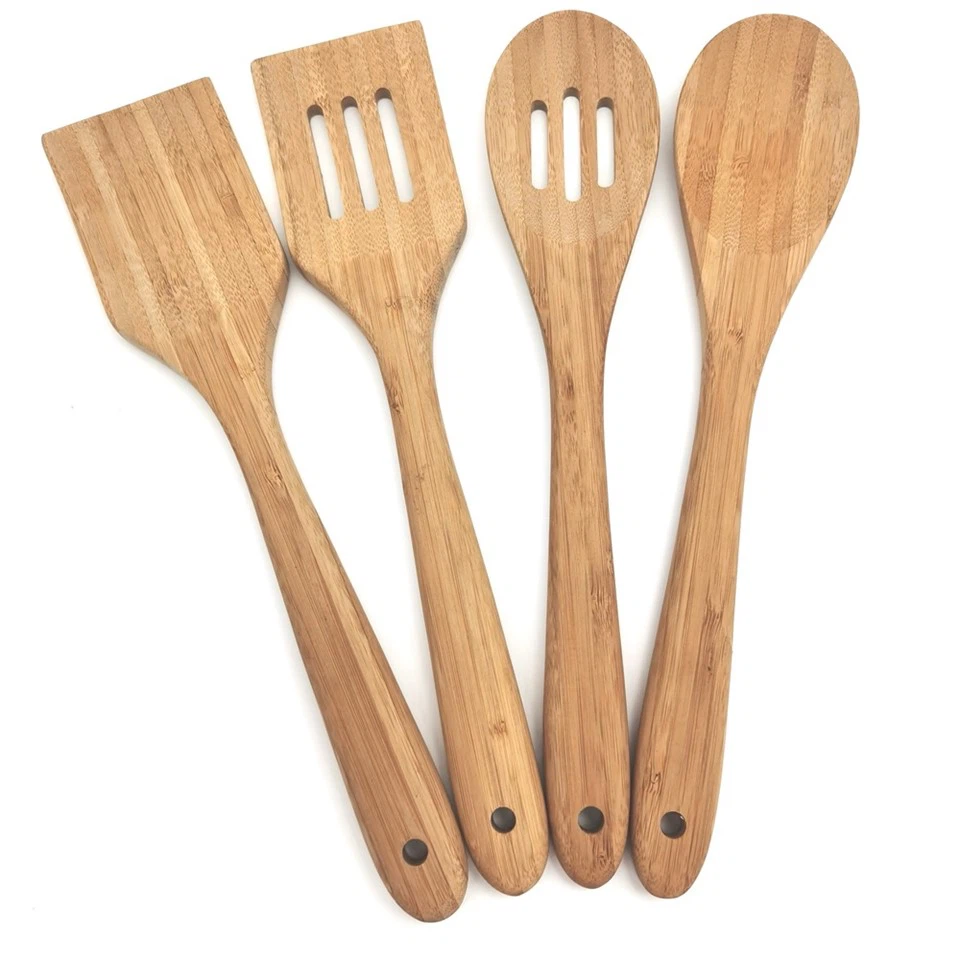
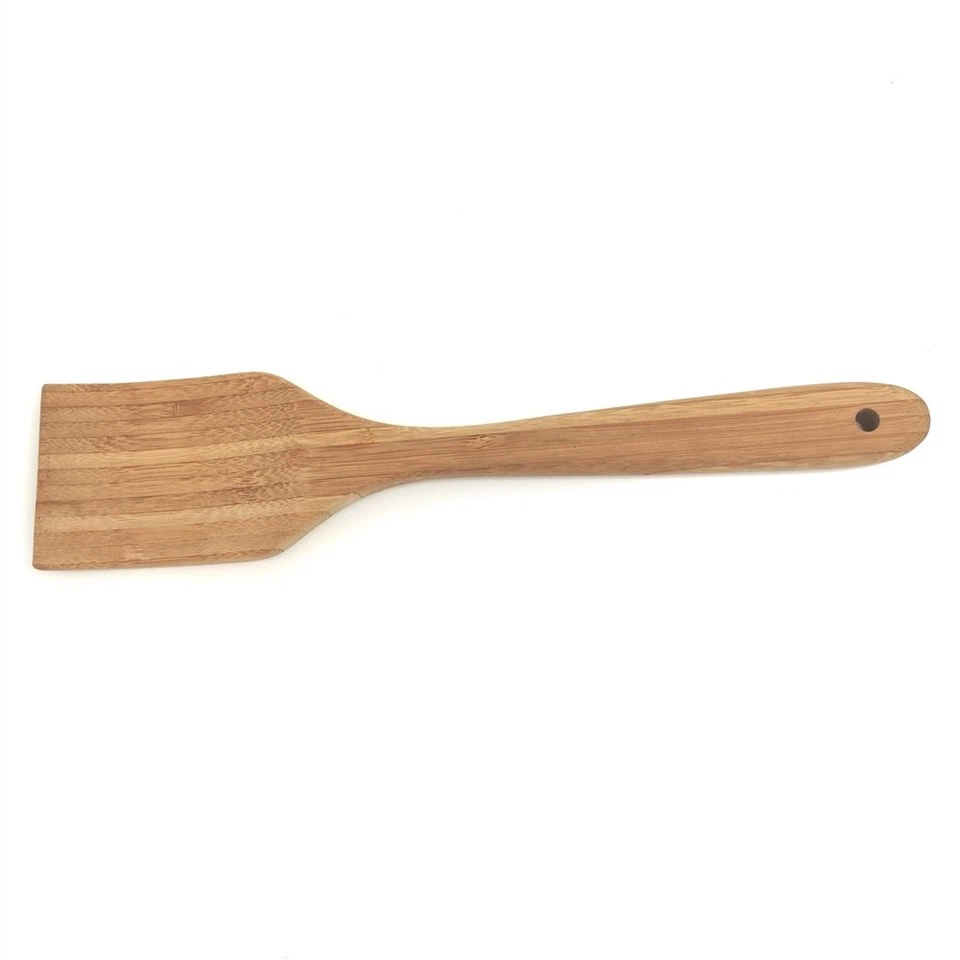
First off, let's talk about what makes bamboo such a great material for kitchen utensils in the first place. Bamboo is a renewable resource. It grows super fast, way faster than traditional hardwoods. That means it's a more sustainable option for the environment. Plus, it has a natural beauty that looks great in any kitchen.
But when it comes to extreme temperatures, things get a bit more complicated. You see, bamboo is a natural material, and like all natural materials, it has its limits.
Let's start with high temperatures. If you're planning to use your bamboo utensils on a stovetop burner or in an oven, that's a big no - no. Bamboo can start to char and burn at relatively low temperatures compared to metal or ceramic utensils. The ignition point of bamboo is around 260 - 290 degrees Celsius (about 500 - 550 degrees Fahrenheit). So, if you leave your bamboo spatula too close to a hot burner, you might end up with a blackened, useless piece of bamboo.
Even if the temperature doesn't reach the ignition point, high heat can still cause damage. Bamboo contains moisture, and when it's exposed to high heat, that moisture evaporates quickly. This rapid evaporation can lead to cracking and warping of the utensil. For example, if you use a bamboo spoon to stir a pot of boiling soup for an extended period, the heat from the soup can dry out the bamboo, making it brittle and prone to breaking.
Now, what about the other end of the spectrum - cold temperatures? Cold itself isn't usually as much of a problem for bamboo as heat. However, extreme cold combined with moisture can be an issue. When bamboo is wet and then exposed to freezing temperatures, the water inside the bamboo can freeze and expand. This expansion can cause the bamboo fibers to break, leading to cracks in the utensil.
For instance, if you leave a wet bamboo cutting board outside in the winter, the water in the board will freeze, and you'll likely notice cracks forming when it thaws. But if the bamboo is dry, it can withstand cold temperatures pretty well. In fact, bamboo has been used in cold climates for construction and other purposes, so as long as it's dry, it can handle the cold.
So, how can you take care of your bamboo kitchen utensils to ensure they last? Well, first of all, avoid using them in direct contact with high - heat sources. Use them for tasks like stirring, serving, or mixing at lower temperatures. When you're done using them, wash them in warm, soapy water and dry them thoroughly. Don't let them sit in water for long periods, as this can also cause damage.
If you want to store your bamboo utensils in a cold environment, make sure they're completely dry first. You can also apply a food - safe oil to the utensils periodically. This helps to keep the bamboo moisturized and reduces the risk of cracking and warping.
As a bamboo kitchen utensil supplier, I know that these products are not only beautiful but also functional. That's why I want to make sure you get the most out of them. We offer a wide range of Organic Bamboo Cooking Utensils, from spatulas and spoons to cutting boards and tongs. Each piece is carefully crafted to ensure quality and durability.
If you're in the market for new kitchen utensils and are interested in the eco - friendly benefits of bamboo, I'd love to talk to you. Whether you're a home cook looking to upgrade your kitchen or a restaurant owner in need of bulk supplies, we can work together to find the right products for you. Just reach out, and we can start a conversation about your needs and how our bamboo kitchen utensils can fit into your kitchen.
In conclusion, while bamboo kitchen utensils are a great choice for many reasons, they do have limitations when it comes to extreme temperatures. By understanding these limitations and taking proper care of your utensils, you can enjoy their beauty and functionality for years to come.
References
- "Bamboo: A Versatile and Sustainable Material" - Journal of Sustainable Materials Research
- "The Effects of Temperature on Natural Fibers" - International Journal of Material Science