


When it comes to kitchen essentials, a reliable cutting board is a must-have. As a supplier of bamboo cutting boards, I often encounter a significant question from customers: "Are bamboo cutting boards resistant to mold?" This is a valid concern, as mold can not only damage the cutting board but also pose health risks. In this blog, I will delve into the scientific facts behind the mold resistance of bamboo cutting boards, exploring the factors that influence it and sharing tips to maintain their quality.
The Natural Characteristics of Bamboo
Bamboo is a remarkable plant that offers several advantages when used for cutting boards. One of its key features is its natural antibacterial properties. Bamboo contains a substance called "bamboo kun," which has been proven to inhibit the growth of bacteria and fungi. This natural defense mechanism gives bamboo an inherent edge over other materials in terms of mold resistance.
However, it's important to note that while bamboo has these natural properties, it is not entirely immune to mold. The environment in which the cutting board is used and stored plays a crucial role in determining its susceptibility to mold growth.
Factors Affecting Mold Growth on Bamboo Cutting Boards
Moisture
Moisture is the primary culprit when it comes to mold growth on any surface, including bamboo cutting boards. When a cutting board is constantly exposed to water or left in a damp environment, it creates the perfect breeding ground for mold spores. For example, if you wash your cutting board and leave it to air dry in a sink with standing water or in a closed cabinet without proper ventilation, the excess moisture can cause mold to develop.

Food Residue
Food particles left on the cutting board after use can also contribute to mold growth. Bacteria and fungi thrive on organic matter, and even small amounts of food residue can provide a source of nutrition for them. If you don't clean your cutting board thoroughly after each use, especially if you've cut meats, vegetables, or fruits that can leave behind juices and debris, mold can start to grow within a short period.
Temperature and Humidity
The temperature and humidity of the environment where the cutting board is stored also play a role in mold growth. Warm and humid conditions are ideal for mold to proliferate. If your kitchen is located in a tropical or humid climate, or if you have poor ventilation in your kitchen, the chances of mold growing on your bamboo cutting board increase.
How to Enhance the Mold Resistance of Bamboo Cutting Boards
Proper Cleaning
Cleaning your bamboo cutting board properly is essential to prevent mold growth. After each use, wash it with warm, soapy water and a soft brush or sponge. Make sure to remove all food residue from the surface and in the grooves, if any. Rinse the cutting board thoroughly and dry it immediately with a clean towel. Avoid soaking the cutting board in water for an extended period, as this can cause the bamboo to absorb too much moisture and warp, making it more susceptible to mold.
Regular Oil Treatments
Applying oil to your bamboo cutting board regularly can help enhance its mold resistance. Food-grade mineral oil or beeswax can be used to seal the pores of the bamboo, preventing moisture from penetrating the surface. To oil your cutting board, apply a thin layer of oil using a clean cloth or paper towel. Rub the oil into the bamboo in a circular motion, making sure to cover the entire surface. Let the oil soak in for a few hours or overnight, then wipe off any excess oil. Repeat this process every few weeks or as needed, depending on how often you use the cutting board.
Proper Storage
Storing your bamboo cutting board correctly is also crucial to prevent mold growth. After cleaning and drying, store the cutting board in a well-ventilated area. Avoid leaving it in a damp or enclosed space, such as a sink or a cabinet with no air circulation. You can prop the cutting board up against a wall or place it on a drying rack to allow air to circulate around it. If you need to store the cutting board for an extended period, make sure it is completely dry and wrap it in a clean cloth or paper to protect it from dust and moisture.
Our Bamboo Cutting Board Products
As a supplier of bamboo cutting boards, we offer a wide range of high-quality products that are designed to meet the needs of different customers. Our Bamboo Cutting Board with Juice Groove is a popular choice for those who want to prevent juices from spilling onto the countertop while cutting meats or fruits. The juice groove helps to contain the liquids, making cleanup easier and more hygienic.
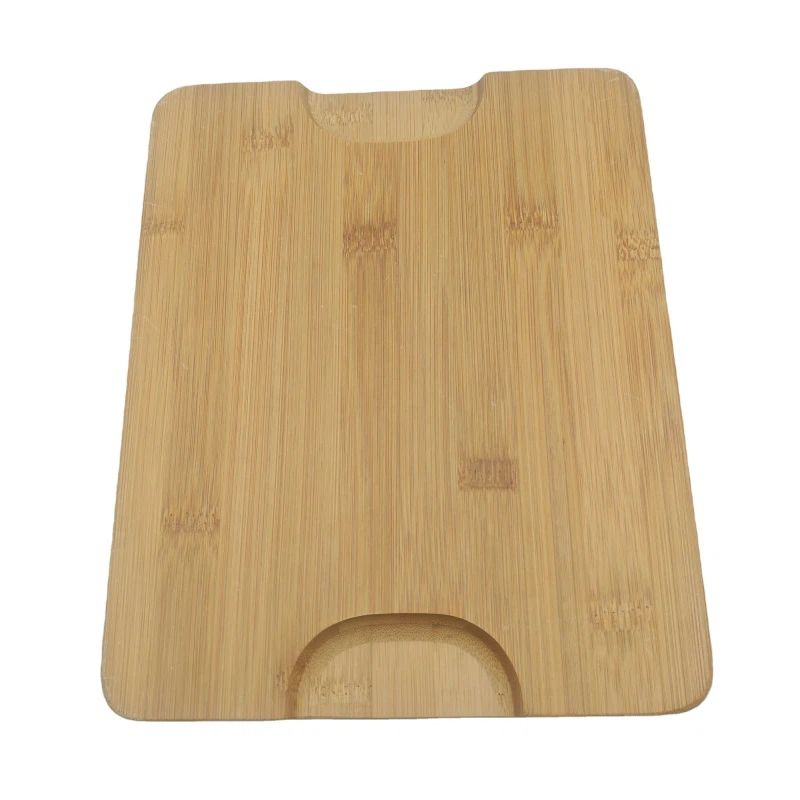
Our Rectangle Bamboo Cutting Board is a classic and versatile option that can be used for a variety of kitchen tasks. It has a smooth surface and a sturdy construction, making it ideal for chopping, slicing, and dicing.
Both of these cutting boards are made from high-quality bamboo that has been carefully selected and processed to ensure maximum durability and mold resistance. We take pride in our products and are committed to providing our customers with the best possible quality and service.
Conclusion
In conclusion, while bamboo cutting boards have natural antibacterial properties that make them more resistant to mold than some other materials, they are not completely immune. By understanding the factors that affect mold growth and taking the necessary steps to maintain your cutting board, such as proper cleaning, regular oil treatments, and proper storage, you can significantly reduce the risk of mold developing on your bamboo cutting board and ensure that it lasts for many years.
If you're interested in purchasing high-quality bamboo cutting boards, we invite you to contact us for more information and to discuss your specific needs. We look forward to the opportunity to work with you and provide you with the perfect cutting board for your kitchen.
References
- "The Antibacterial Properties of Bamboo" - Journal of Applied Microbiology
- "Mold Growth and Prevention in the Kitchen" - Food Safety Magazine
- "Bamboo as a Sustainable Material for Kitchenware" - Sustainable Living Journal